Fancy a folkloric read? Check out #FolkloreThursday’s books!

Fancy a folkloric read? Check out FolkloreThursday’s books!
Fancy a folkloric read? Check out FolkloreThursday’s books!

For many, the Woman in the Tower is a symbol of female oppression and repression, a highly negative image charged with a history of daughters denied their freedom. So, let’s take a look at some Women in Tower stories from different times and places, and see what symbolism we can find within them.
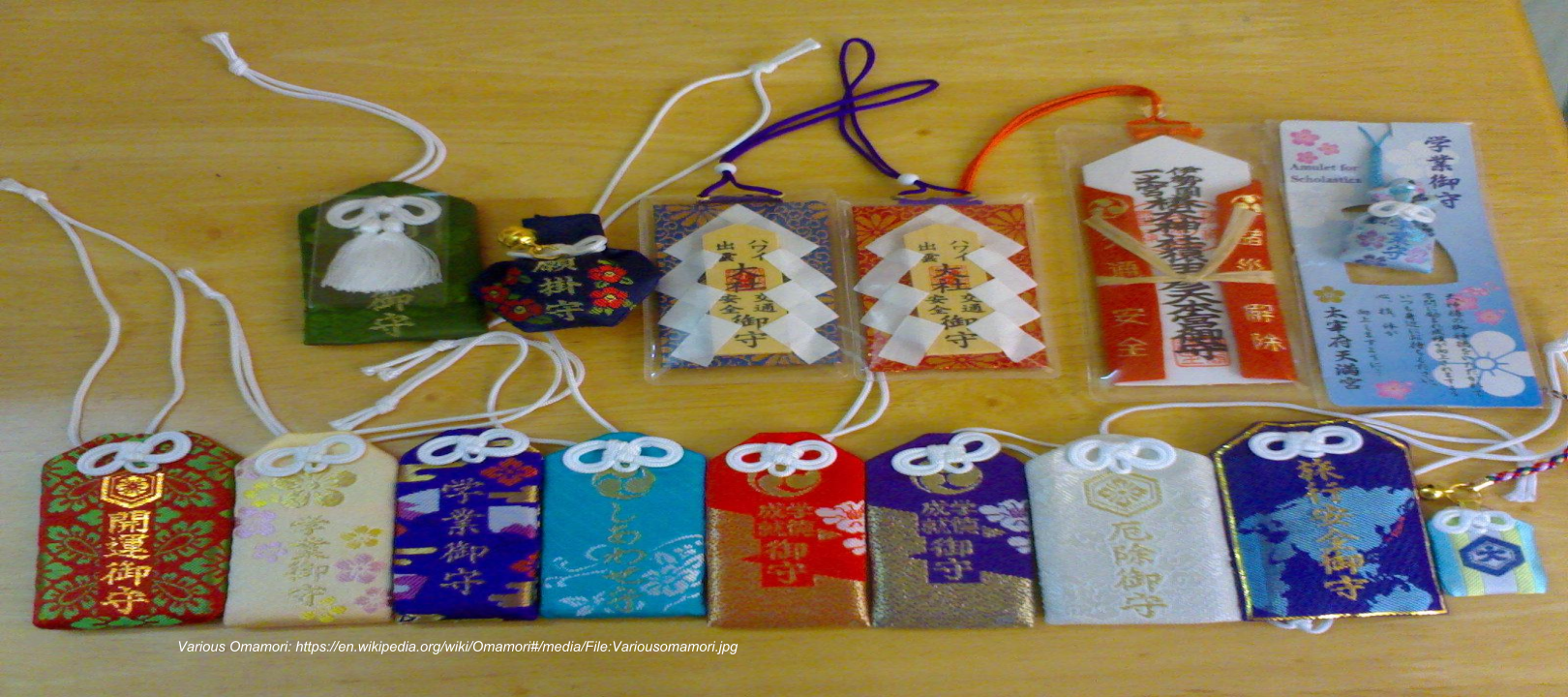
Although their origins lie in Japanese folk traditions, omamori are still a popular sight throughout Japan. The word itself, 御守り, doesn’t have a direct translation into English, but they are protection charms – usually for sale within both Buddhist temples and Shinto shrines – which are said to contain spirits.
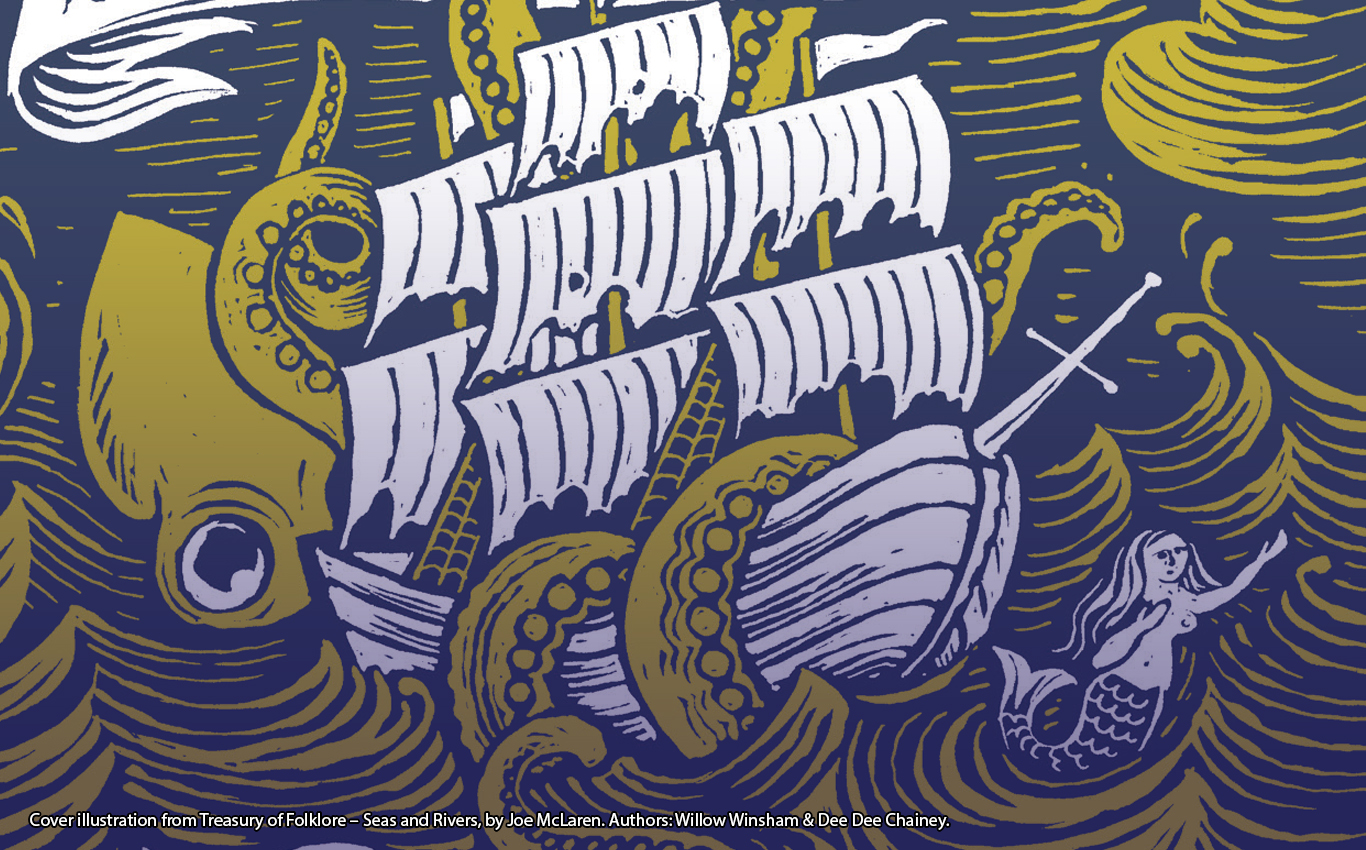
The folklore attached to the seas and rivers of the world is plentiful, filled with wondrous creatures and beguiling tales. There are some places, however, that a cautious reader would do best to avoid: here are the top five watery locations featured in Treasury of Folklore – Seas and Rivers to steer well clear of.

The Sky World of Native American tradition refers to a parallel celestial universe located in the Sky. It is home to deities such as the Sun, the Moon and Morning Star, but ordinary people can sometimes access it in exceptional and magical circumstances.

The Norwegian folktale, “East of the Sun and West of the Moon,” in which a white bear comes to take a poor girl away, is loved by people the world over. It is also part of a huge cycle of folklore and myth that has spanned Eurasia in the last 2500 years.
By continuing to use the site, you agree to the use of cookies. more information
The cookie settings on this website are set to "allow cookies" to give you the best browsing experience possible. If you continue to use this website without changing your cookie settings or you click "Accept" below then you are consenting to this.