British Apple Lore

Apples were for centuries the fruit that most people would have had most often. From acerbic and sharp cooking apples to rosy red ones that crunch and release floods juice there was an apple for every palate.
Apples were for centuries the fruit that most people would have had most often. From acerbic and sharp cooking apples to rosy red ones that crunch and release floods juice there was an apple for every palate.
Incorporating folklore can add authenticity, richness and whole new layers of meaning to historical fiction. Novelist Melissa Harrison explores how traditional practices and beliefs around the harvest informed her creative process when she was writing her new book, All Among the Barley
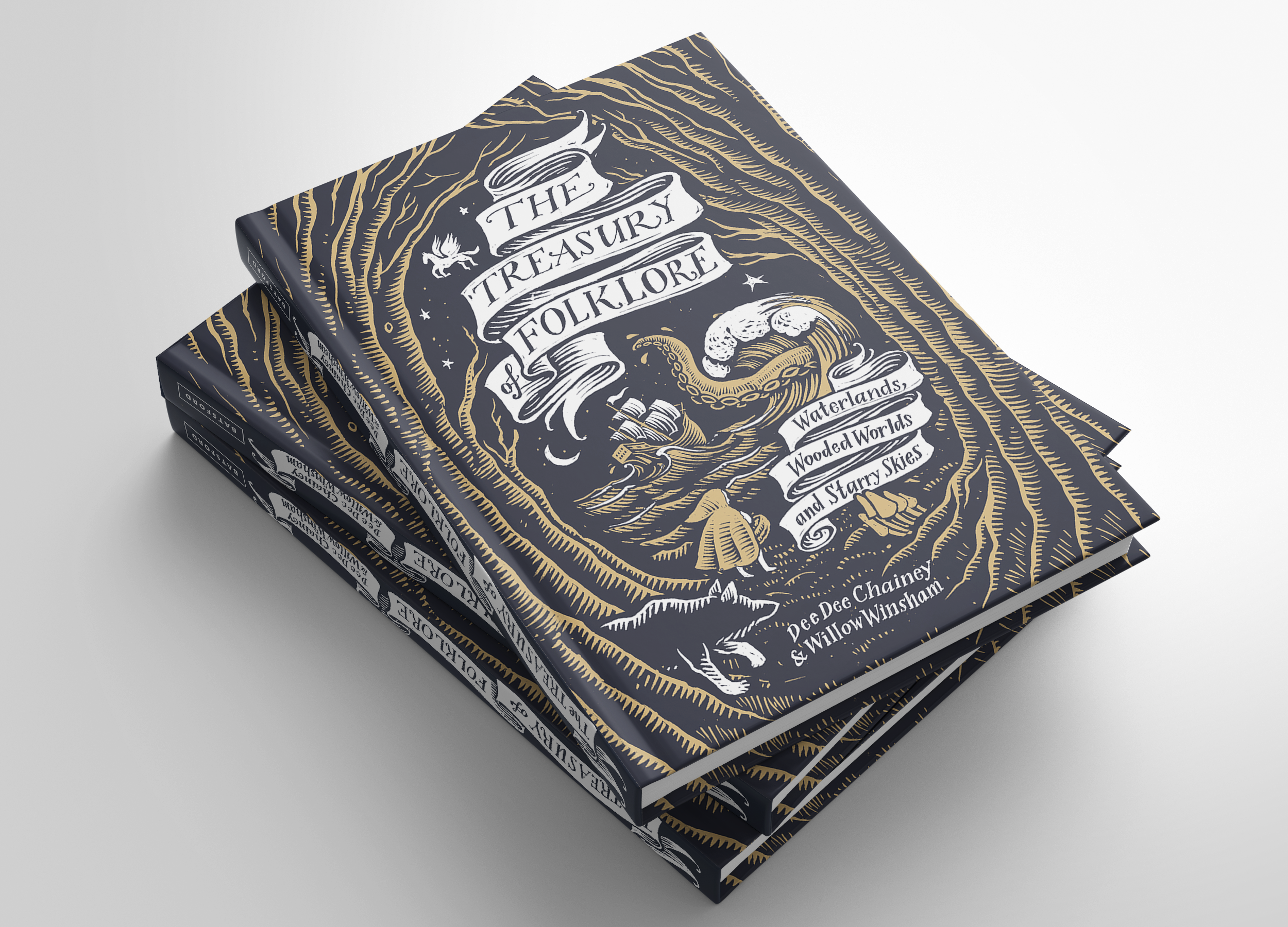
A Treasury of Folklore: Waterlands, Wooded Worlds and Starry Skies will be released on 1st August, 2024.
Mark Norman explores the folklore of bees and beekeeping in his new book, ‘Telling the Bees and Other Customs: The Folklore of Rural Crafts’.
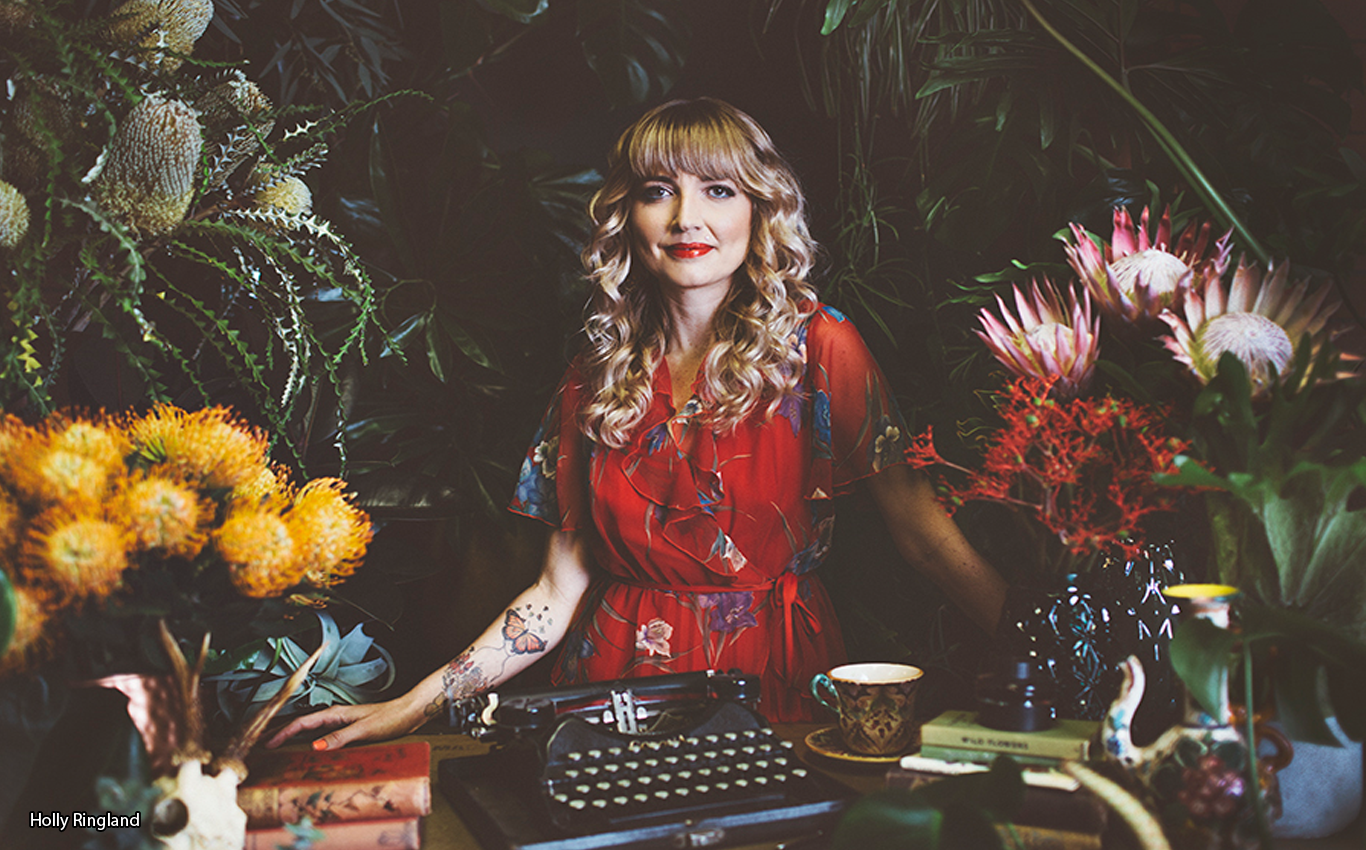
In the Victorian tradition, every Australian native flower has a meaning and, as she settles into her new life, Alice uses this language of flowers to say the things that are too hard to speak.
By continuing to use the site, you agree to the use of cookies. more information
The cookie settings on this website are set to "allow cookies" to give you the best browsing experience possible. If you continue to use this website without changing your cookie settings or you click "Accept" below then you are consenting to this.