
Fancy a folkloric read? Check out #FolkloreThursday’s books!
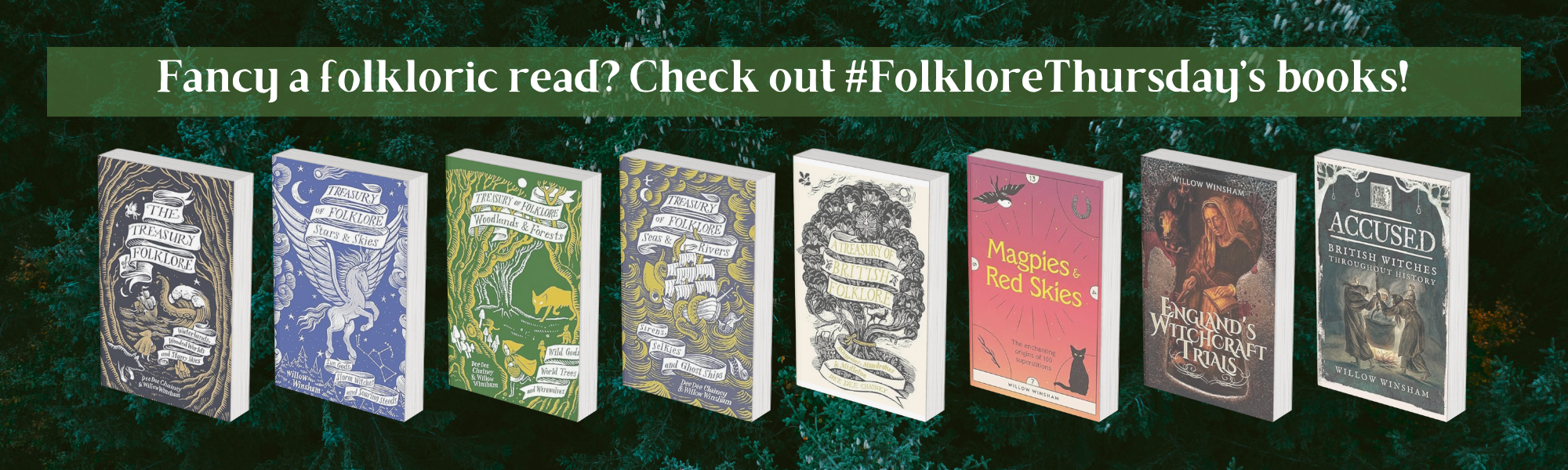
Fancy a folkloric read? Check out FolkloreThursday’s books!
Fancy a folkloric read? Check out FolkloreThursday’s books!
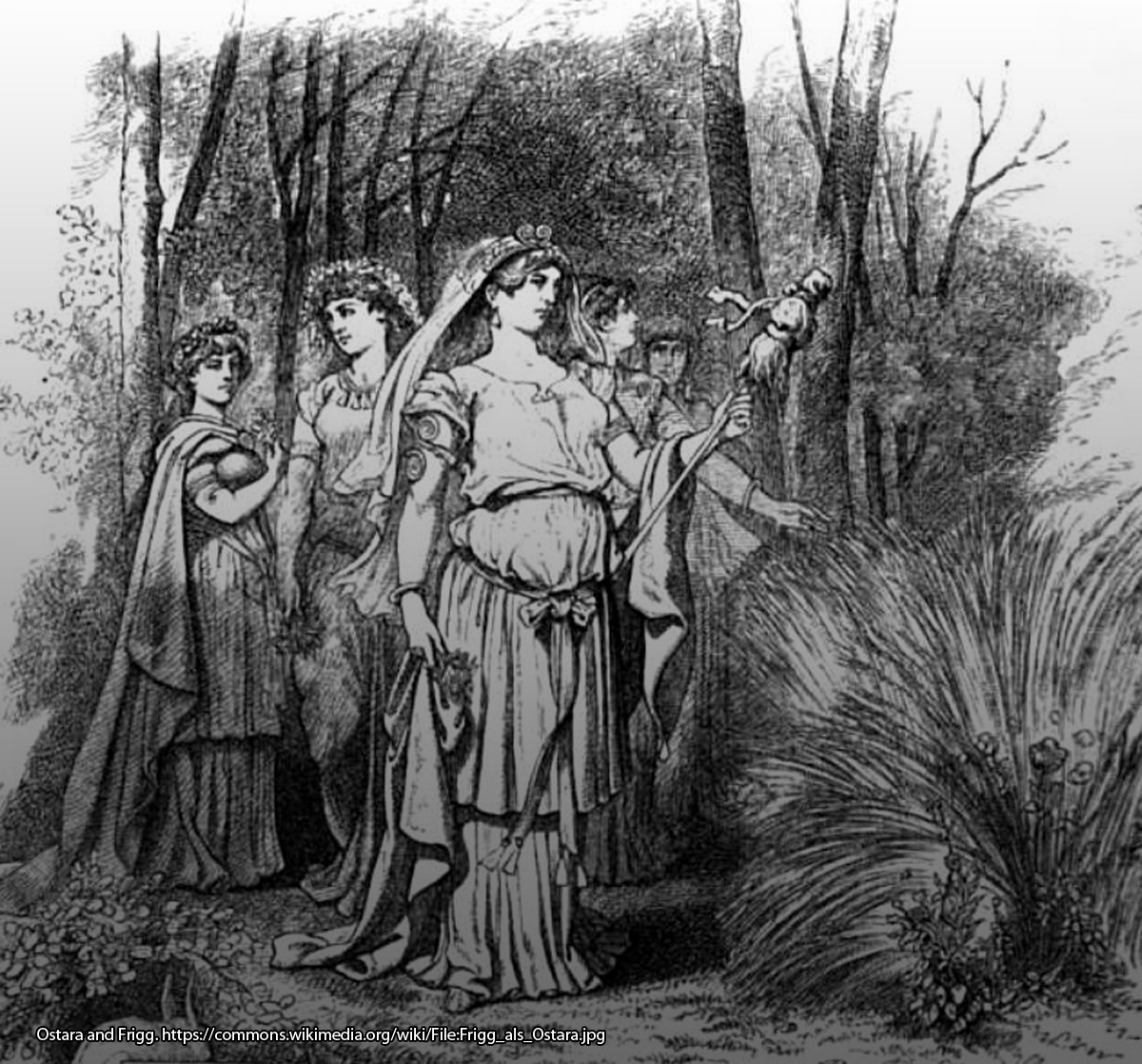
Easter customs of old were many and varied but who would have expected so many of them to be nothing short of violent? Some believe Easter is named after the pagan spring festival celebrating Ēostre or Ostara; historically known as the spring equinox, this might explain why the date of Easter is calculated by the cycles of the moon. It falls on the Sunday following the full moon after the first day of spring — nothing Christian about that calculation! One would have thought the dates of Christ’s death and resurrection would have been more definitely commemorated but, no, we stick to celebrating the coming of spring. Compared to this oddity, some of the bizarre customs associated with Easter stop seeming so bizarre. The violence involved in some of them, though, is a little harder to explain…
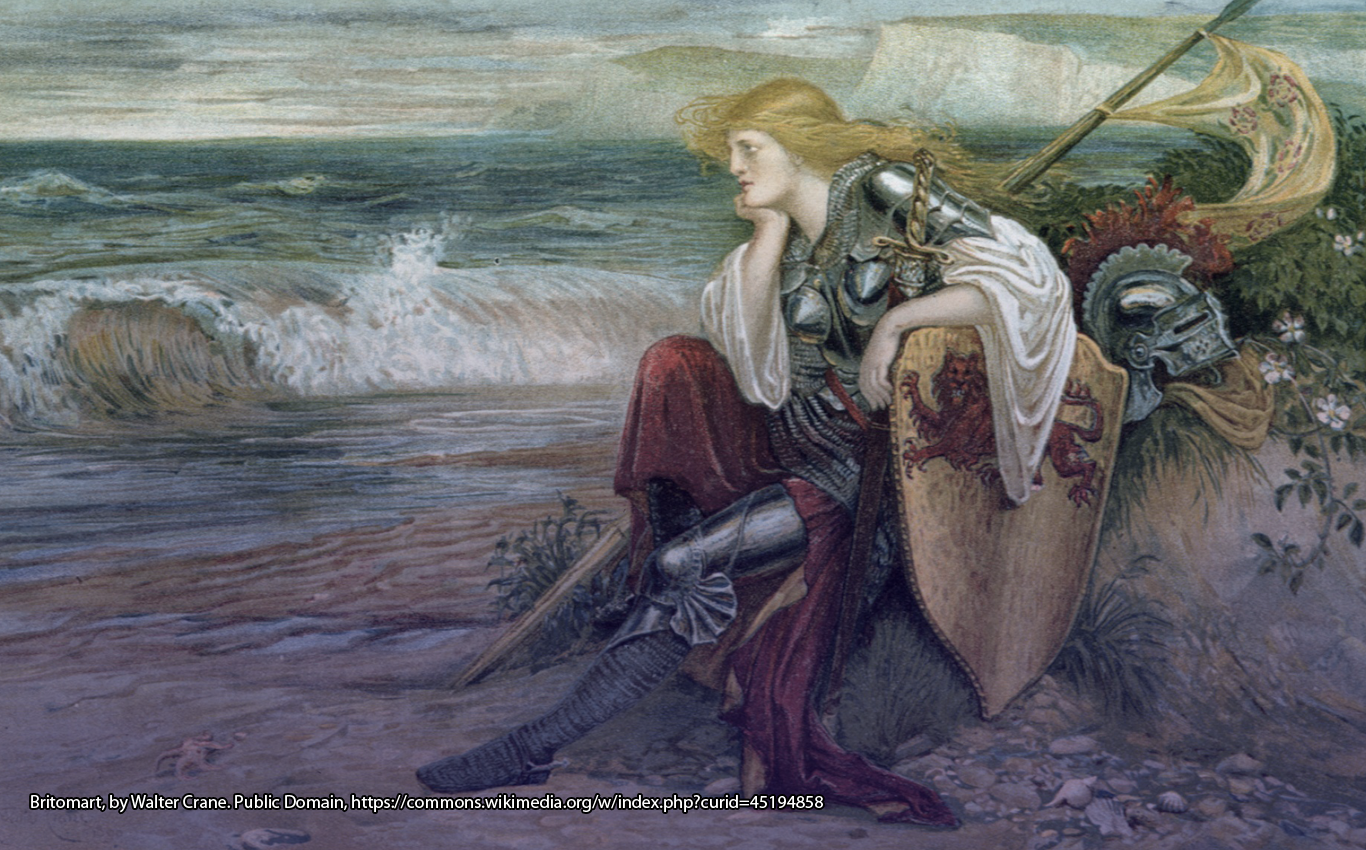
The epic unfinished poem, The Faerie Queene by Edmund Spenser, published 1590-96, created a parallel of the medieval universe.

Arcadia Britannica is an ongoing photographic portrait project of the myriad of different British folklore traditions and customs
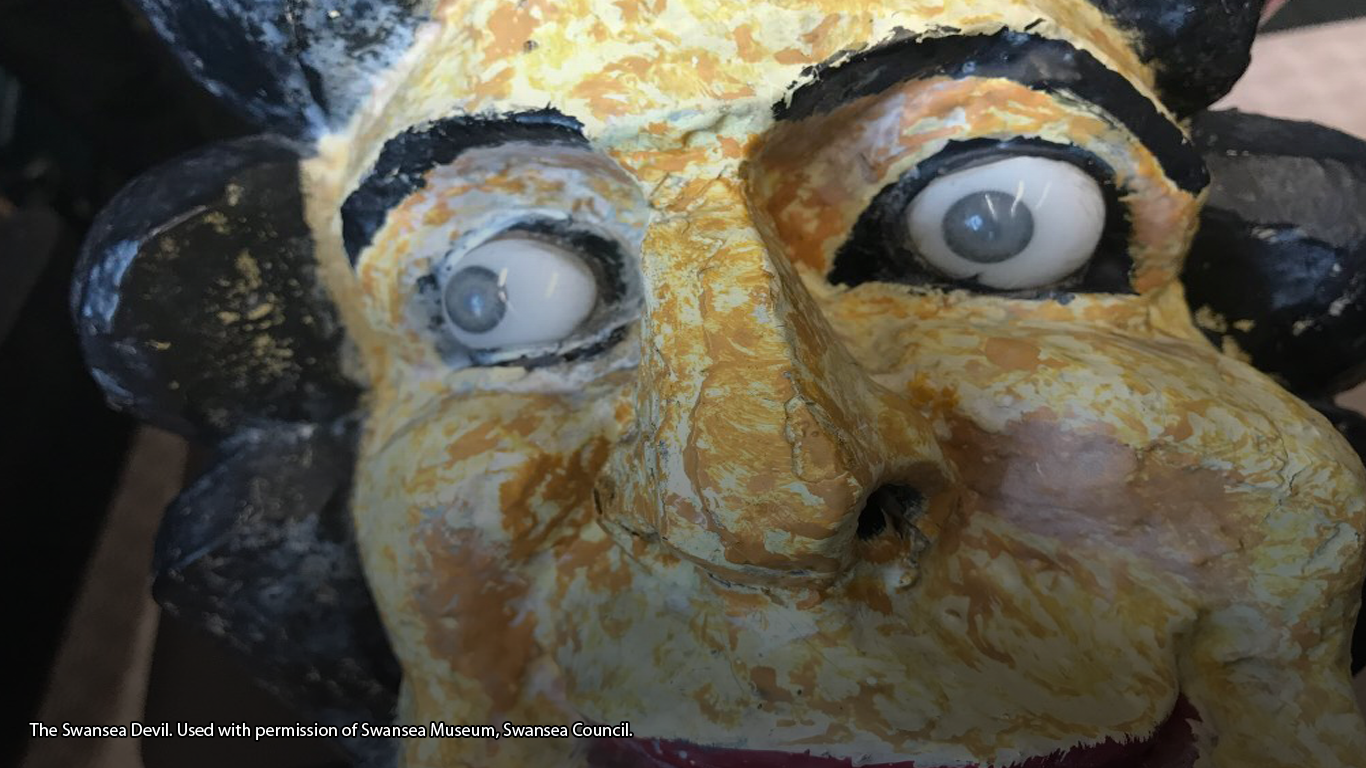
The Swansea Devil is a three-foot tall “cursed” sculpture which is said to have been responsible for destroying a church.

How is a gingerbread house tempting if you’ve gone gluten-free? Who needs pumpkin coaches when there’s Uber? It’s a question worth considering – how can fairy tales still impart wisdom in these modern times?
By continuing to use the site, you agree to the use of cookies. more information
The cookie settings on this website are set to "allow cookies" to give you the best browsing experience possible. If you continue to use this website without changing your cookie settings or you click "Accept" below then you are consenting to this.