Fancy a folkloric read? Check out #FolkloreThursday’s books!
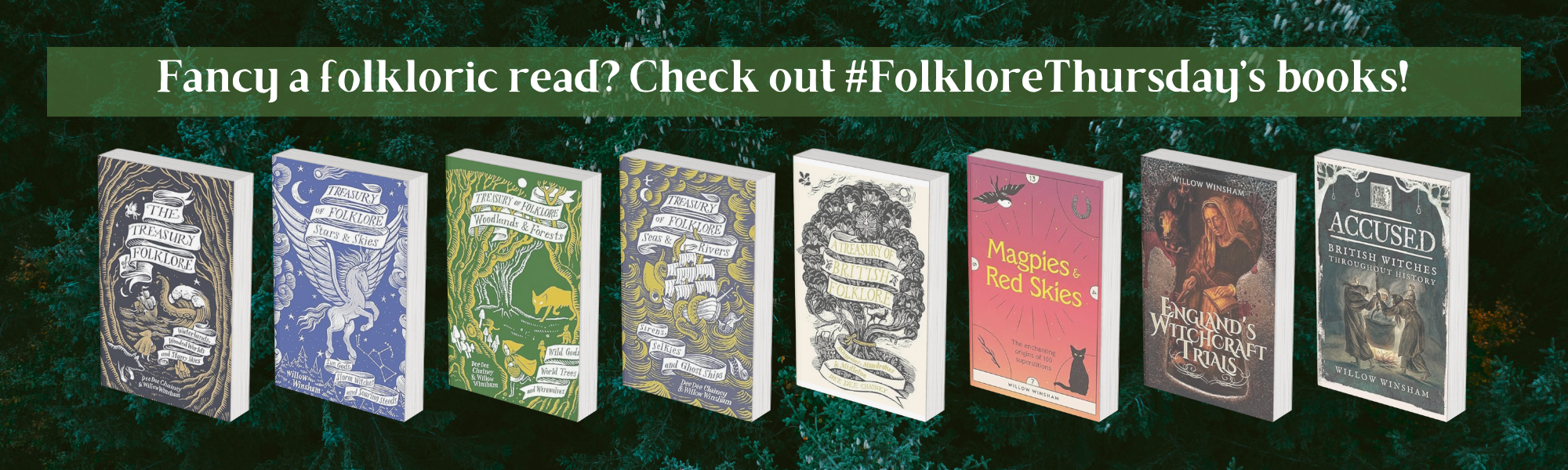
Fancy a folkloric read? Check out FolkloreThursday’s books!
Fancy a folkloric read? Check out FolkloreThursday’s books!

I have always especially loved nature folklore. It provides such a beautiful glimpse into how people use signs from nature as a way to navigate daily life. It reveals how attuned people used to be to the natural world and the ebb and flow of the seasons. Spotting certain animals or birds came to be associated with good or bad fortune; plants and flowers were used as cures; and stories of fantastical creatures, such as fairies and elves, were told to account for unexplained events.

There are two main challenges to retelling folklore, myths and legends for children: making the story suitable and fun for the child audience (listeners or readers); and being as faithful and sensitive as possible to the original story.

In the Essex village of Great Leighs, a witch named Anne Hughes was burned at the stake for the crime of bewitching her husband to death.

Through myth, fairy tale and legend, powerful women are depicted as dark, cruel and calculating, and they are often naturally associated with winter – a season where all warmth withdraws, and the land is covered with snow and ice, and life is no more than a battle of survival against the elements.
I first encountered fairy tales as a child. As in most children, the encounter generated mixed feelings—wonder and excitement
By continuing to use the site, you agree to the use of cookies. more information
The cookie settings on this website are set to "allow cookies" to give you the best browsing experience possible. If you continue to use this website without changing your cookie settings or you click "Accept" below then you are consenting to this.