Fancy a folkloric read? Check out #FolkloreThursday’s books!
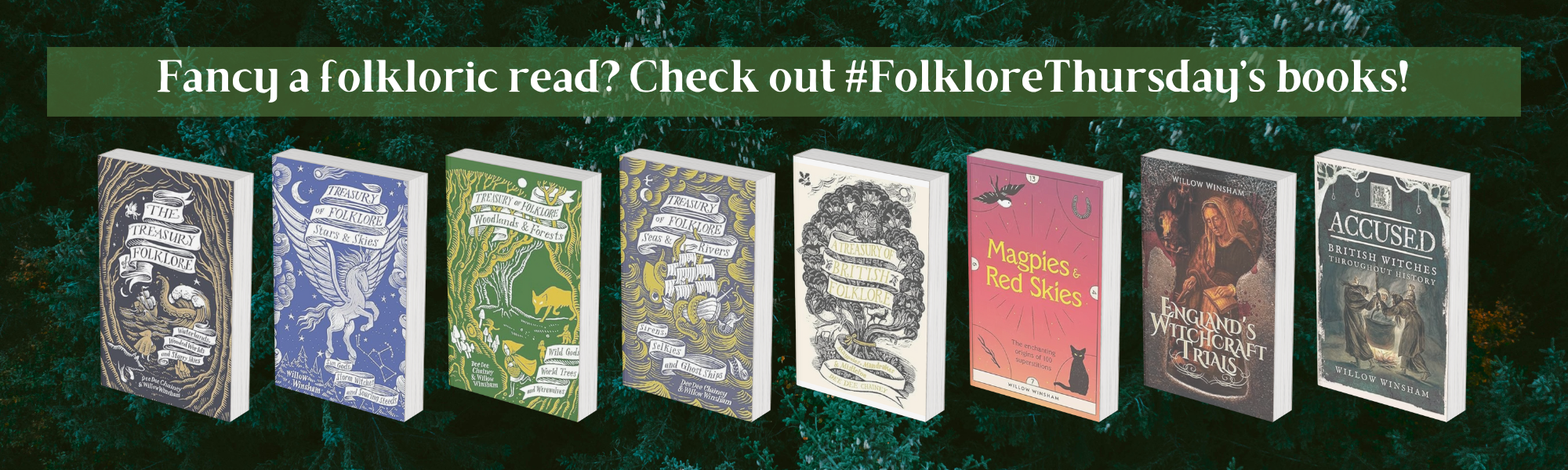
Fancy a folkloric read? Check out FolkloreThursday’s books!
Fancy a folkloric read? Check out FolkloreThursday’s books!
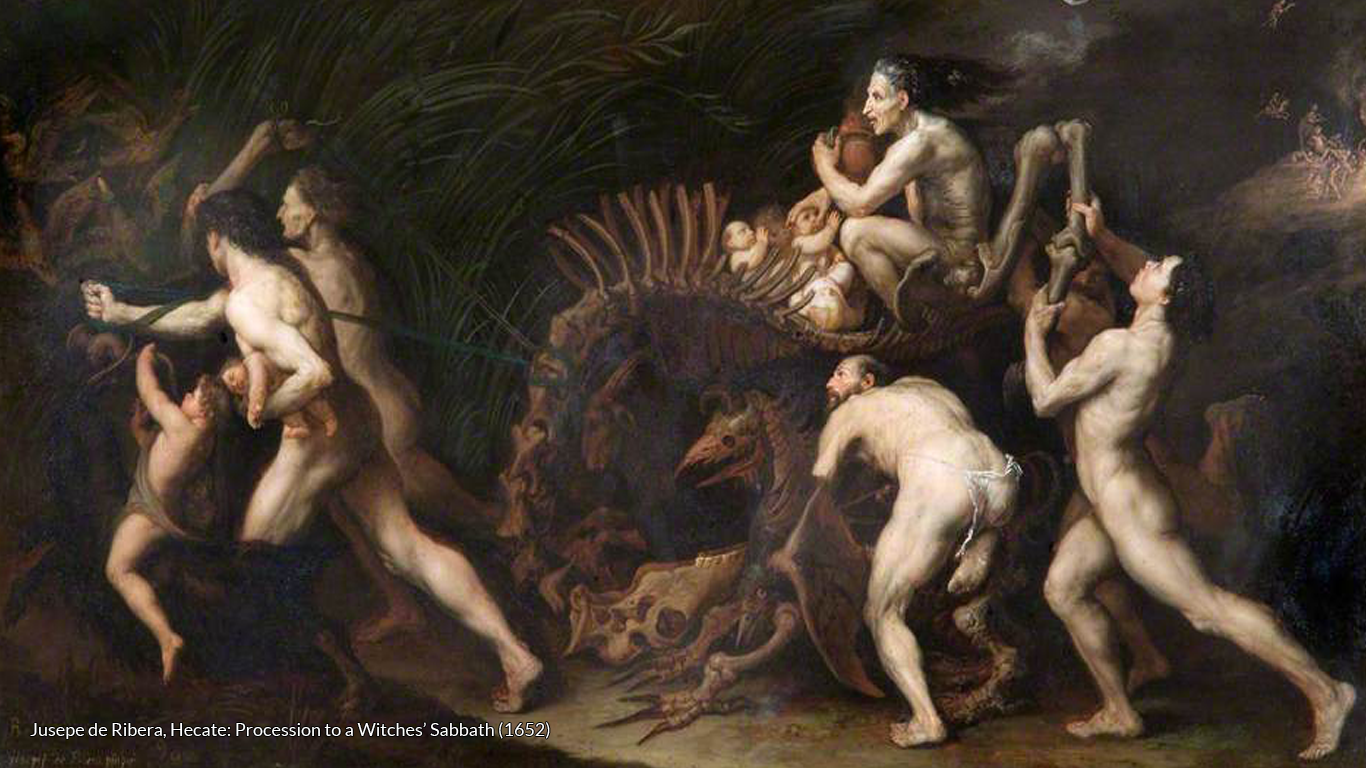
Hekate: goddess of witchcraft, ghosts and the restless dead, frequently represented as a triple deity, associated with dogs, crossroads and flaming torches.

A brilliant professor once told us that desire always lurks at the heart of Arthurian legends. Desire for glory, for love, for kingdoms, for power over one’s own life. While the desires of Arthurian women often led to unflattering depictions (depictions that Feminist retellings of the legends strive to rehabilitate or explain with a backstory), they also make them some of the legends’ most compelling characters. This is particularly true when magic is involved! With this in mind, today we offer a discussion of our top five most magical women of Arthuriana.

Psychopomps — beings who guide the soul to the afterlife — have long been part of mythology and folklore, ranging from Hermes to Anubis to birds, bees and even children’s story characters.
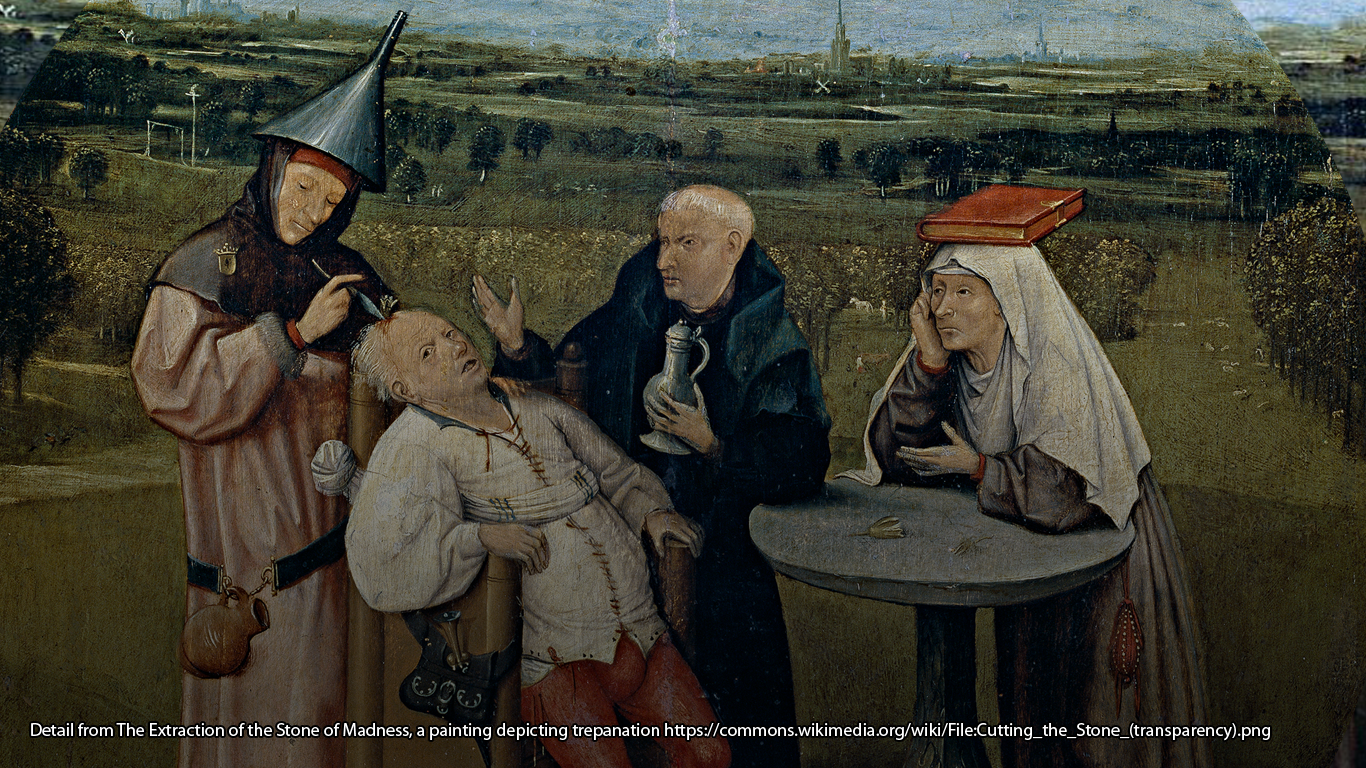
A project cataloguing the archive of a renowned British palaeopathologist has revealed fascinating insights into how superstition and a belief in magic influenced ancient peoples’ approach to medical diagnosis and treatment.
Up until the genocidal removal known as “the Trail of Tears” storytelling was an extremely important part of Cherokee culture.
By continuing to use the site, you agree to the use of cookies. more information
The cookie settings on this website are set to "allow cookies" to give you the best browsing experience possible. If you continue to use this website without changing your cookie settings or you click "Accept" below then you are consenting to this.