Fancy a folkloric read? Check out #FolkloreThursday’s books!
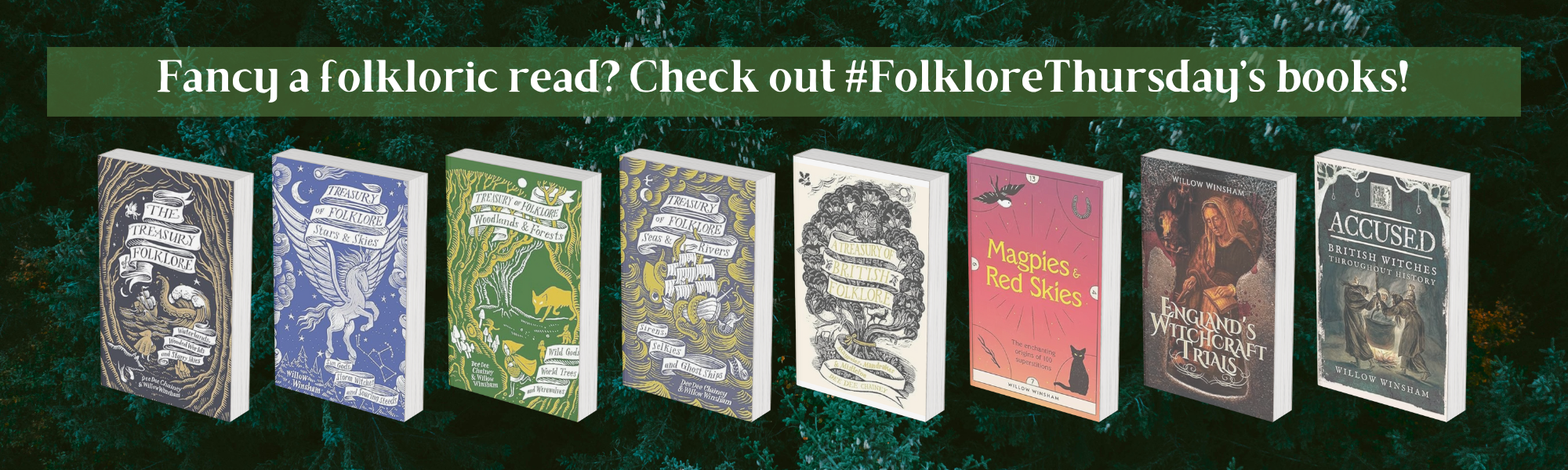
Fancy a folkloric read? Check out FolkloreThursday’s books!
Fancy a folkloric read? Check out FolkloreThursday’s books!

In the great wealth of witch-related lore, the image of the persecuted local midwife is one of the most enduringly popular.
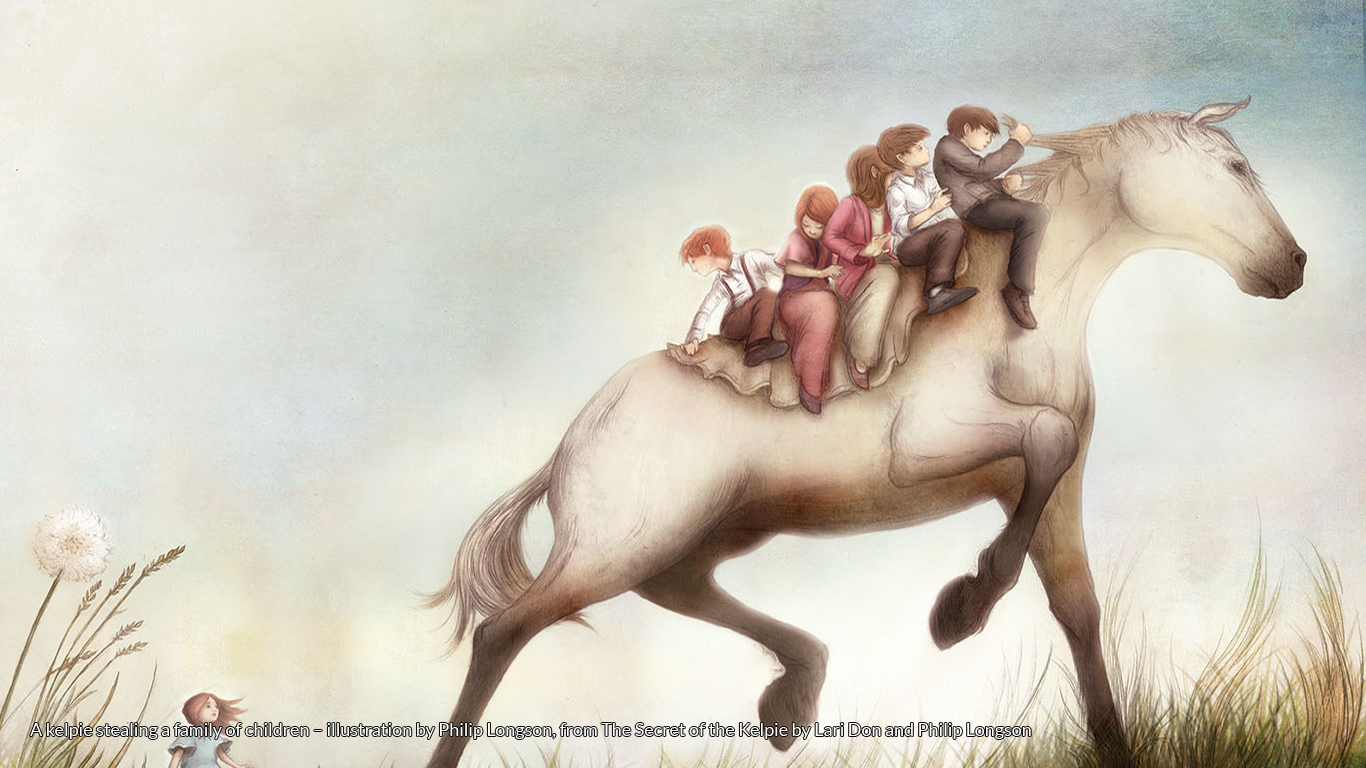
Kelpies are water-horses, who can shape-shift from underwater monsters to beautiful horses or humans on land
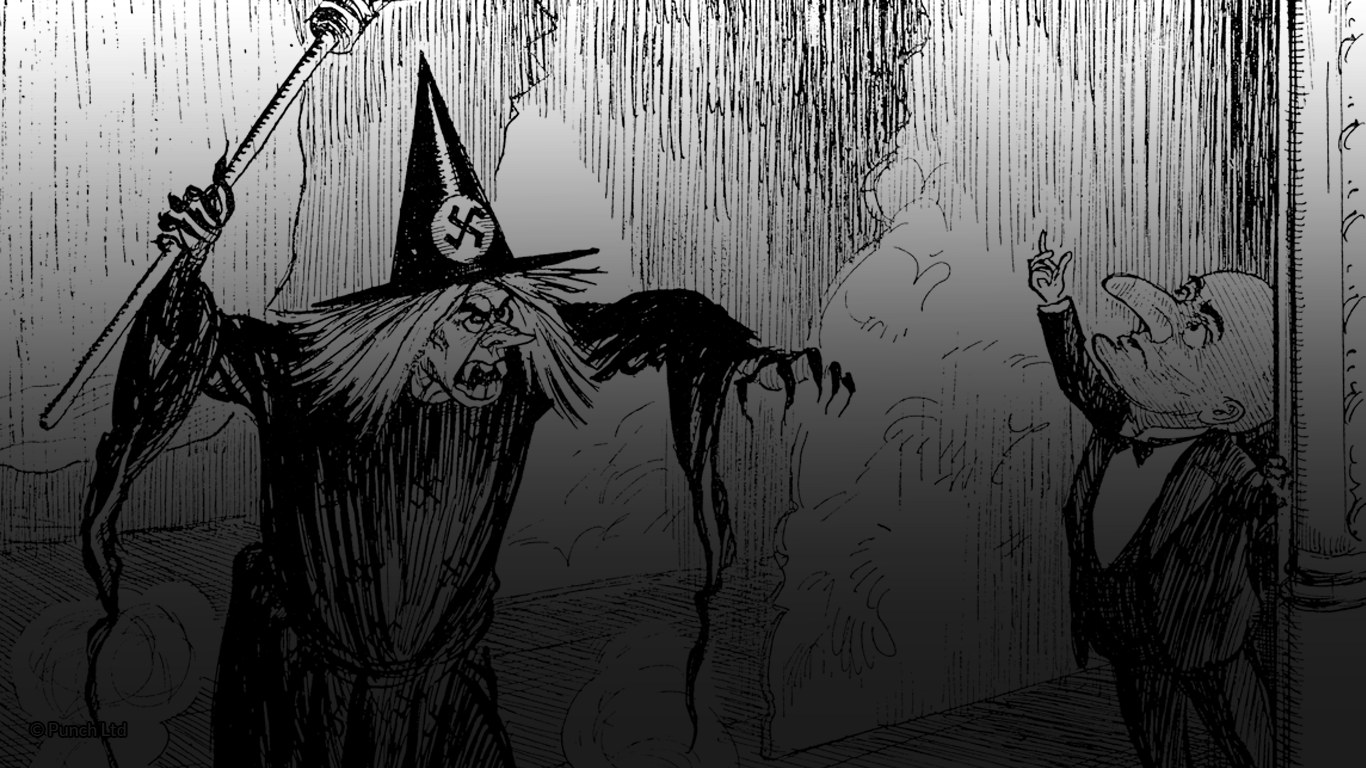
From its beginnings in the 1840s until the late twentieth century it was Shakespeare’s Three Witches who inspired the majority of cartoons featuring witches in Punch.
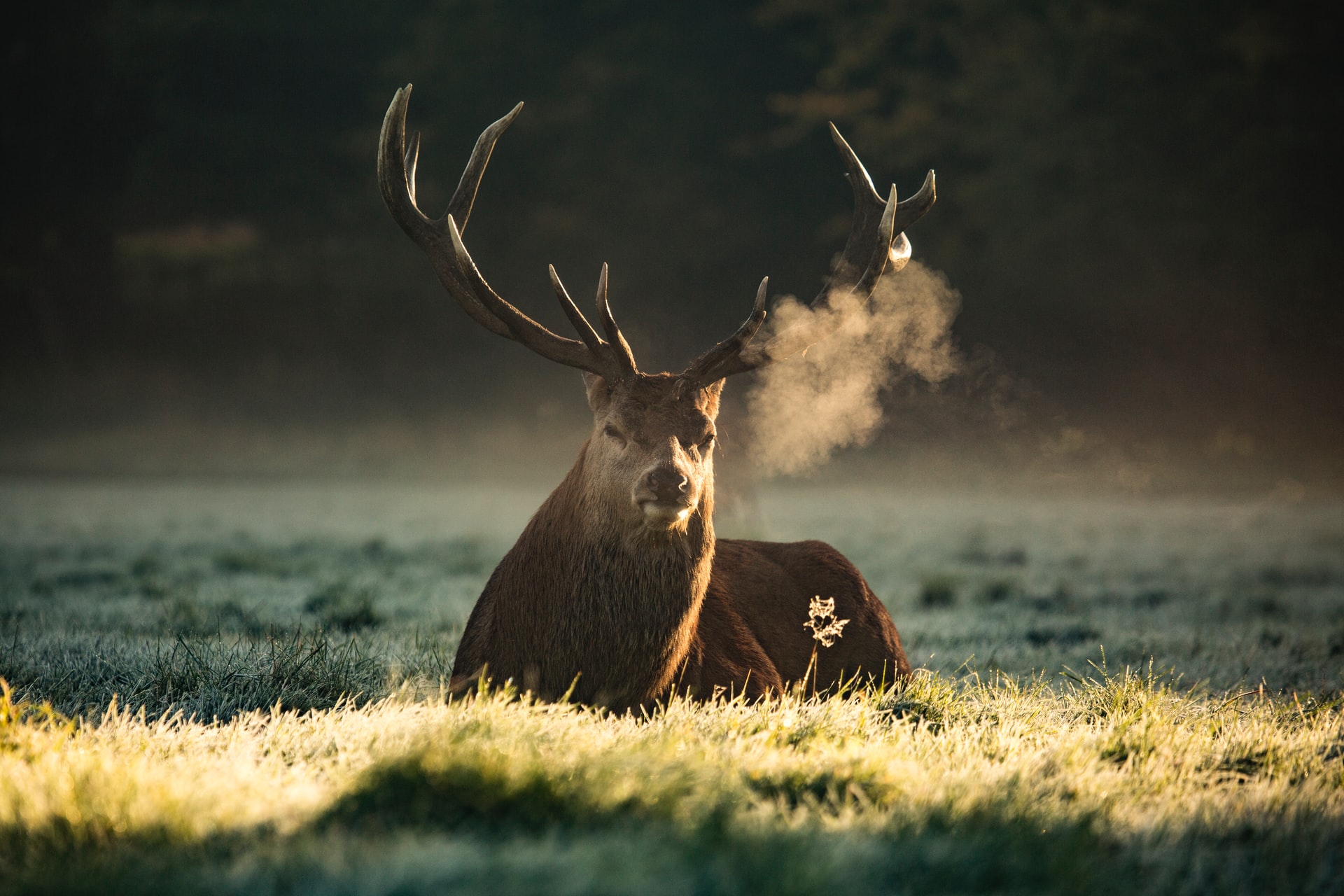
Folklore and tales form a gigantic living web that threads through our cultures and societies. I see it as analogous to mycelium, the fungal mesh beneath the ground: a gigantic, intricate system of connection that feeds and informs the trees and plants that sprout above the surface whilst quietly spreading, putting out feelers, thriving.
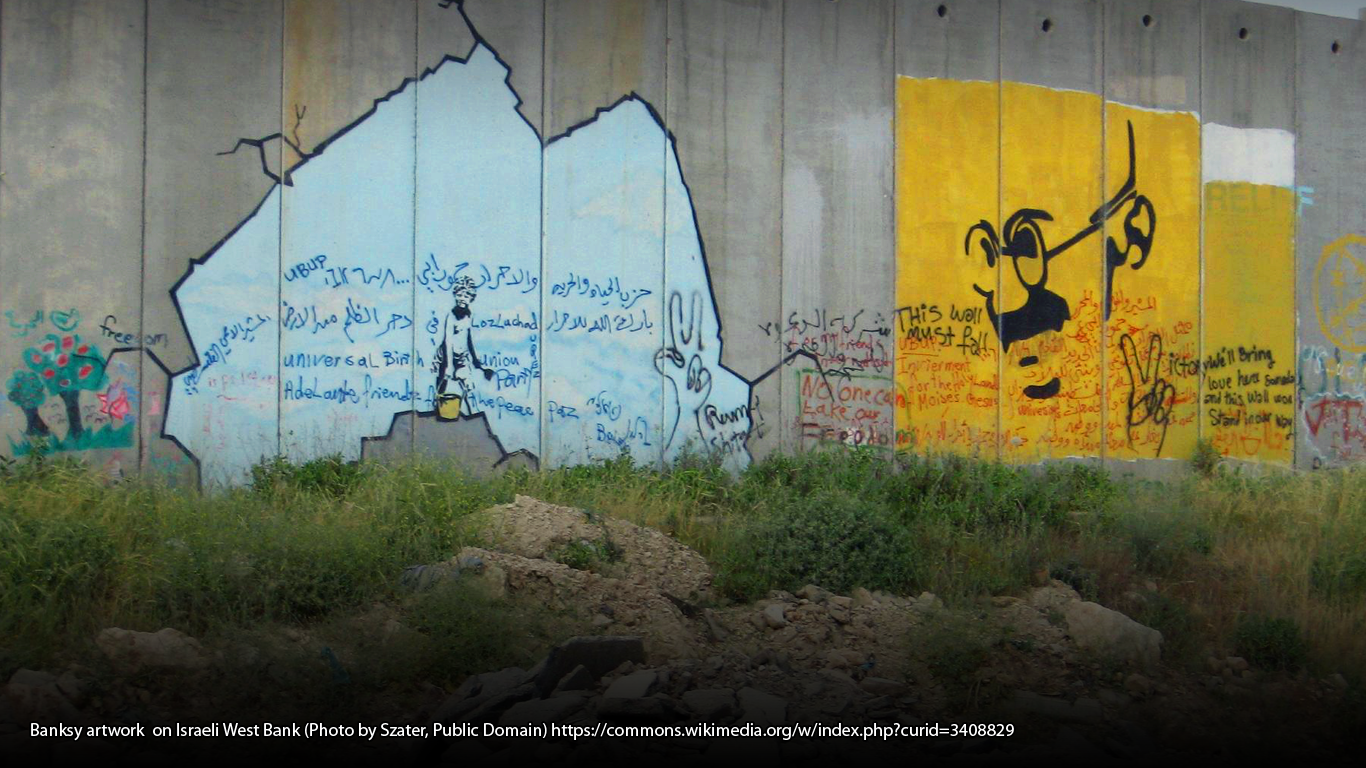
Since the dawn of mankind we have desired to leave our mark on the world around us. From grand monuments, to drawings on the side of cave walls, our need to express is something that continues today — but has our relationship with the medium remained the same?
By continuing to use the site, you agree to the use of cookies. more information
The cookie settings on this website are set to "allow cookies" to give you the best browsing experience possible. If you continue to use this website without changing your cookie settings or you click "Accept" below then you are consenting to this.