Fancy a folkloric read? Check out #FolkloreThursday’s books!
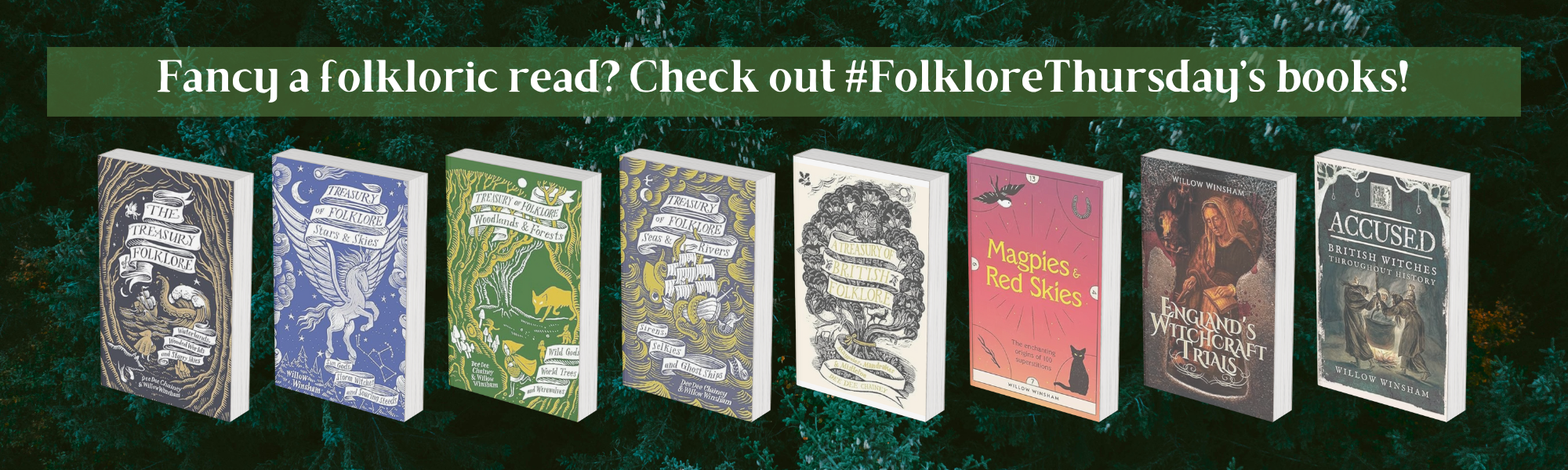
Fancy a folkloric read? Check out FolkloreThursday’s books!
Fancy a folkloric read? Check out FolkloreThursday’s books!

For many, the Woman in the Tower is a symbol of female oppression and repression, a highly negative image charged with a history of daughters denied their freedom. So, let’s take a look at some Women in Tower stories from different times and places, and see what symbolism we can find within them.
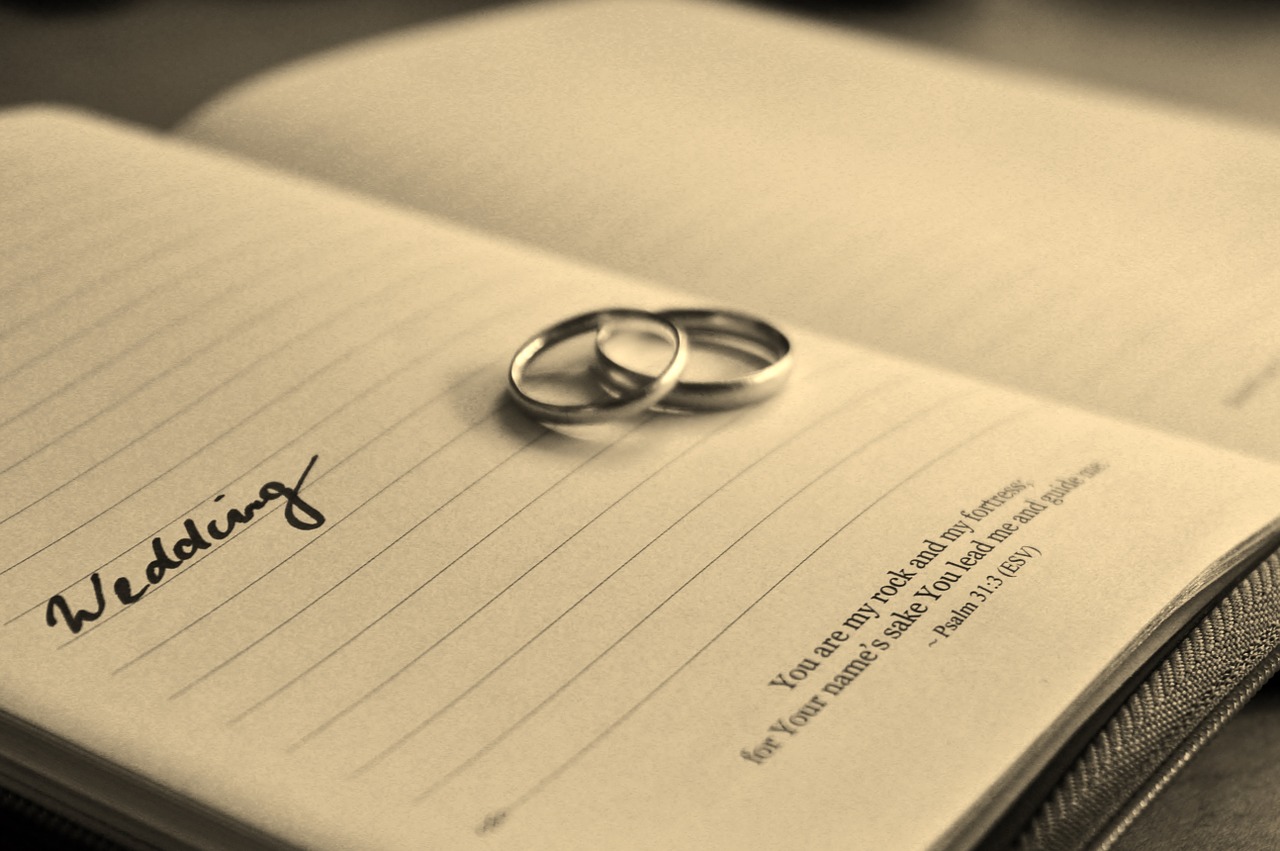
Wife selling is often claimed to be an ancient practice, carried out by brutish men to free themselves of unwanted wives, but the truth is far more varied and fascinating.
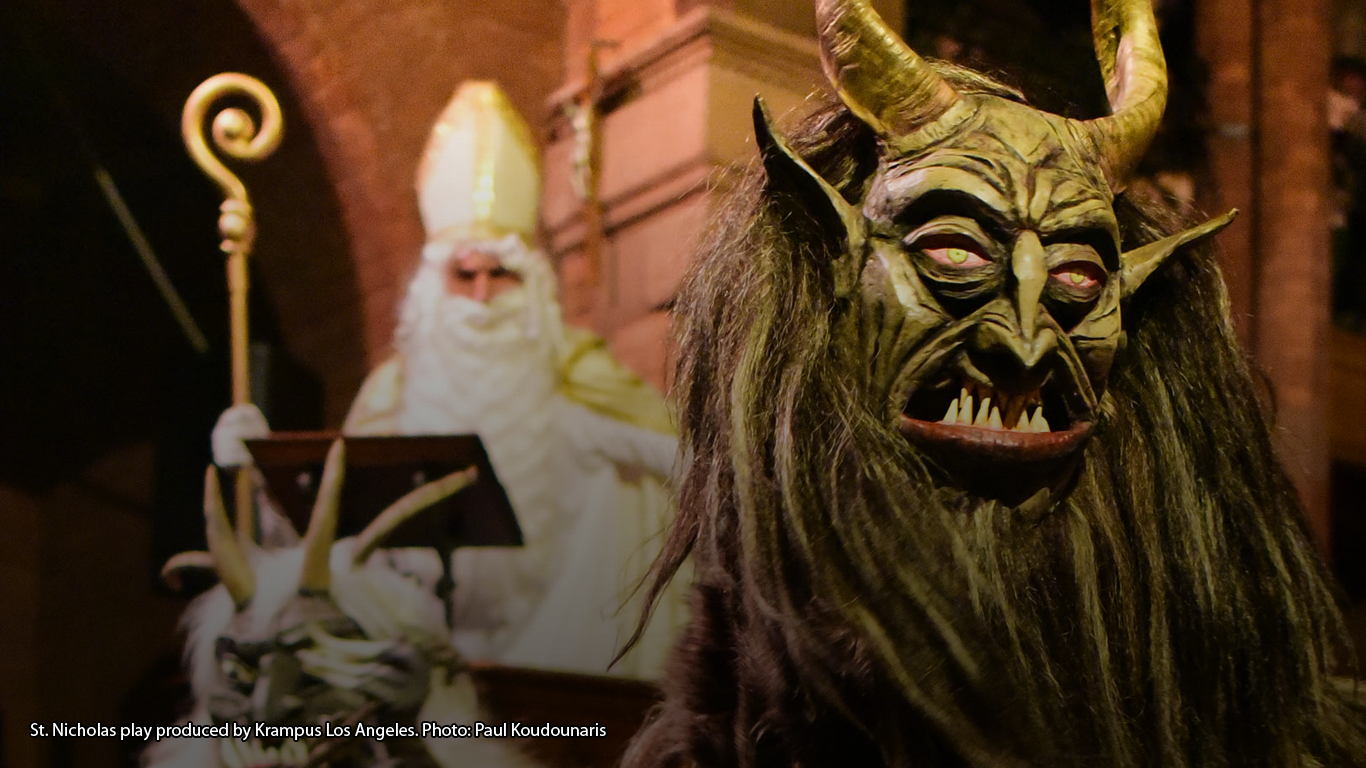
Relentlessly sunny and known for a love of trend over tradition, Los Angeles is an unlikely home to a new incarnation of the old Alpine devil. It helps, perhaps, that make-believe is serious business in my town, and that it’s filled with creative people prone to see in an old tradition of folk Catholicism a revolutionary way to shake up the holidays.

‘The Weardale Fairies’. Extracted from English Fairy Tales and Legends by Rosalind Kerven, published by Batsford. Illustration by Arthur Rackham, Mary Evans Picture Library.

In Wales, legends and folklore of King Arthur and the Otherworld are never far away, and lakes are often the settings for such stories.
By continuing to use the site, you agree to the use of cookies. more information
The cookie settings on this website are set to "allow cookies" to give you the best browsing experience possible. If you continue to use this website without changing your cookie settings or you click "Accept" below then you are consenting to this.