Tinker Bell’s Lover: The Hidden Desires of Celtic Fairies
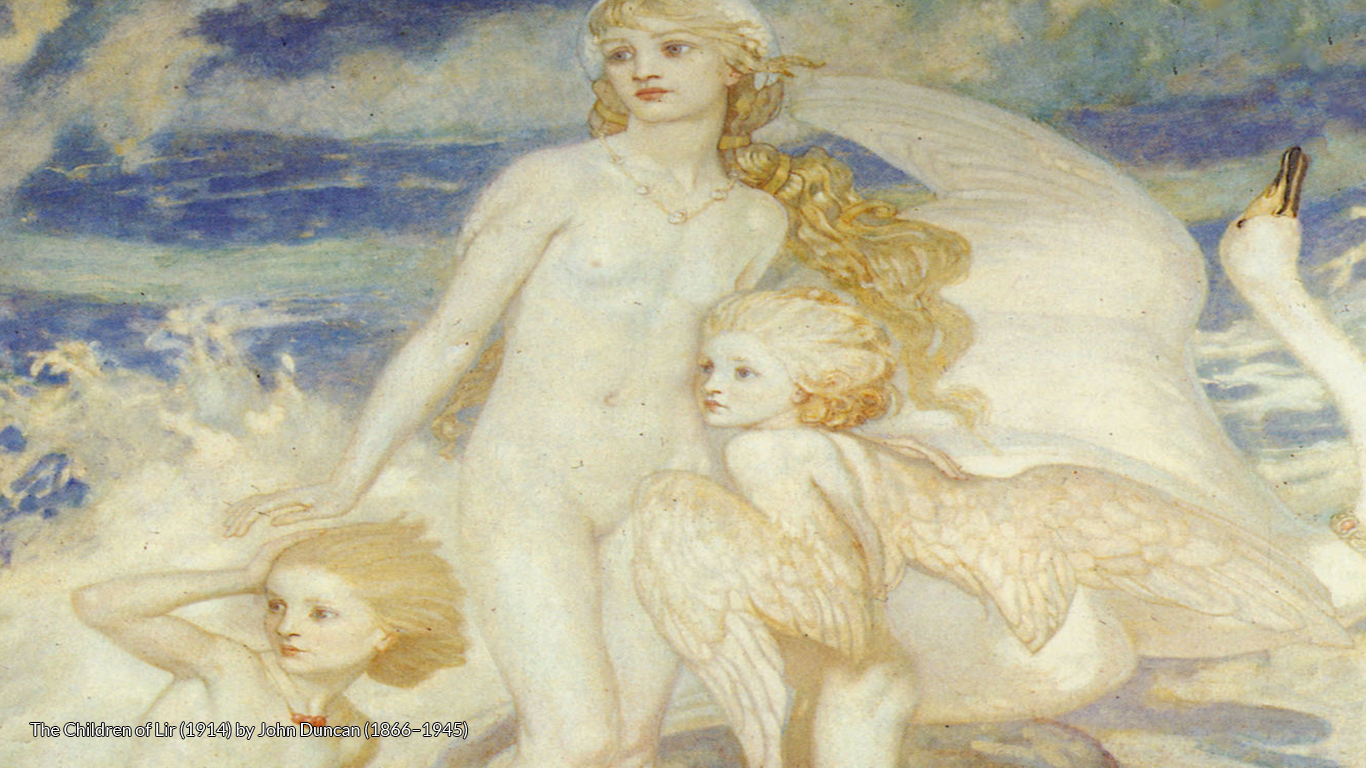
“The ocean is not so strong as the waves of thy longing,” the fairy whispered to the man she desired as a human lover. Was she casting a spell on him?
On the walls of a 300 BCE Etruscan tomb, Vanth, a winged demoness of dark and stern gaze, flanks a door to the Great Unknown.
When the traditional Vodun religion of West African slaves collided in the Caribbean with the incoming Christianity of colonists, Haitian Vodou was born.
No plants feature so often in folklore, in so many places, as fig trees. There’s a biological basis to many of these stories.
The most famous wolf myth is the one of Romulus and Remus, the founders of Rome. The story has evolved through the ages, but the best-known version claims their mother was a virgin and that their father was the war god Mars. In typical Greek-Roman fashion, their great uncle – the king – abandoned them on the River Tiber in an attempt to avoid a prophecy of his death. Tiberinus, the god of the river, spared the twins. A wolf suckled the boys until a shepherd adopted them. Eventually, Romulus and Remus helped their grandfather retake his thrown and kill their great uncle.
By continuing to use the site, you agree to the use of cookies. more information
The cookie settings on this website are set to "allow cookies" to give you the best browsing experience possible. If you continue to use this website without changing your cookie settings or you click "Accept" below then you are consenting to this.