Why Werewolves Eat People: Cannibalism in the Werewolf Narrative

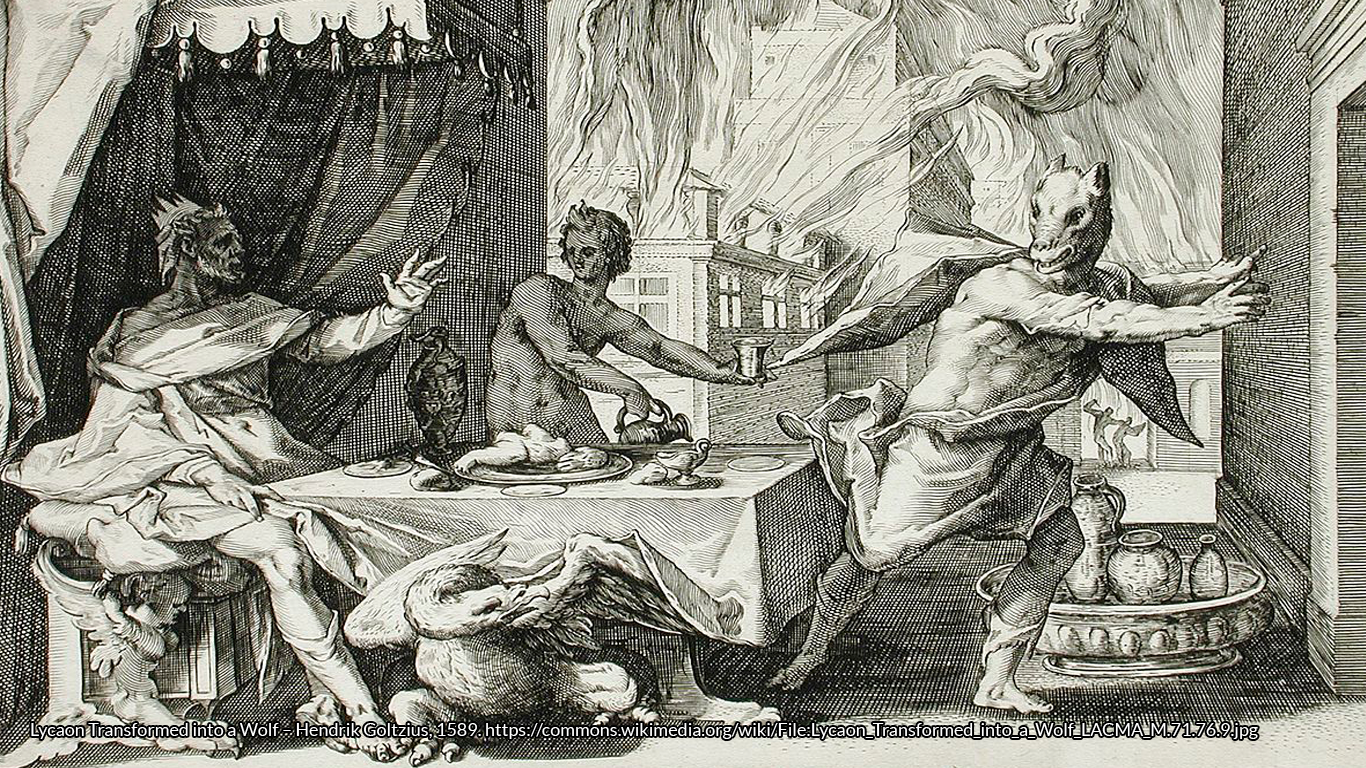
The one constant throughout visual and literary representations of the werewolf is the willing – or unwilling – consumption of human flesh. This trope is drawn directly from the ancient origin of the werewolf myth.

Snow Queens and Winter Witches from Around the World

Through myth, fairy tale and legend, powerful women are depicted as dark, cruel and calculating, and they are often naturally associated with winter – a season where all warmth withdraws, and the land is covered with snow and ice, and life is no more than a battle of survival against the elements.

Wolf Myths and Folklore From Around the World

The most famous wolf myth is the one of Romulus and Remus, the founders of Rome. The story has evolved through the ages, but the best-known version claims their mother was a virgin and that their father was the war god Mars. In typical Greek-Roman fashion, their great uncle – the king – abandoned them on the River Tiber in an attempt to avoid a prophecy of his death. Tiberinus, the god of the river, spared the twins. A wolf suckled the boys until a shepherd adopted them. Eventually, Romulus and Remus helped their grandfather retake his thrown and kill their great uncle.

Top 5 Mothers in Brazilian Folklore, Mythology and Beliefs

Mother goddesses are present in all kinds of mythology around the world. They all bring the archetypical mother qualities: giving birth, nurturing, taking care, and teaching their offspring, for example. In Brazil, we have the influence of three big –- and totally different –- cultures that shaped customs and beliefs we have today.
By continuing to use the site, you agree to the use of cookies. more information

The cookie settings on this website are set to "allow cookies" to give you the best browsing experience possible. If you continue to use this website without changing your cookie settings or you click "Accept" below then you are consenting to this.

Close