Roses are Red: The Sinister Side of Valentine’s Day Folklore

Sending mean cards? Eating mashed earthworms? Using jack o’lanterns to light medieval love banquets? They’re all surprising yet vaguely sinister ways to celebrate Valentine’s Day.
Sending mean cards? Eating mashed earthworms? Using jack o’lanterns to light medieval love banquets? They’re all surprising yet vaguely sinister ways to celebrate Valentine’s Day.
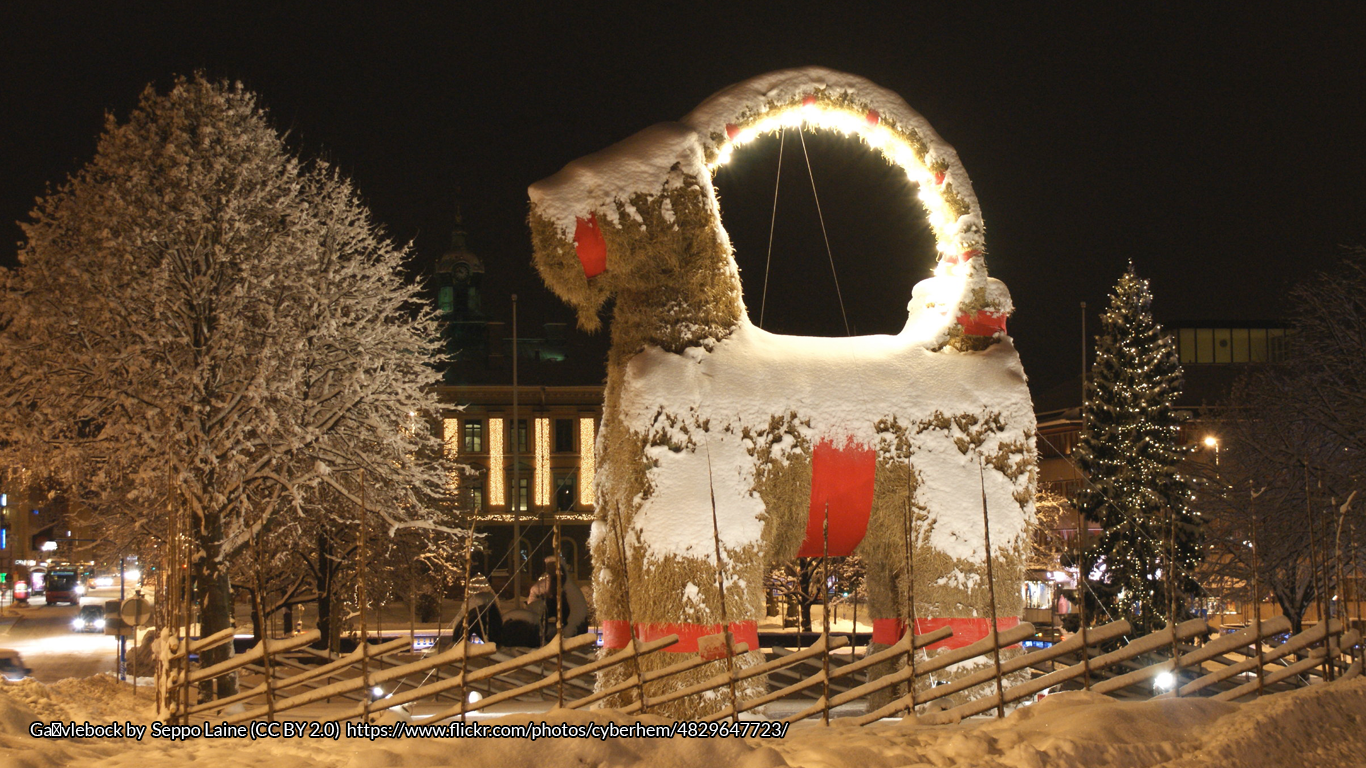
He used to bleat. Walking upright, a goat the size of a grown man would tramp in from the cold with a sack hanging over his shoulder, bleating.
Today, moles are usually unappreciated residents of our gardens and fields, but they are embedded in folklore and for centuries were used in remedies.
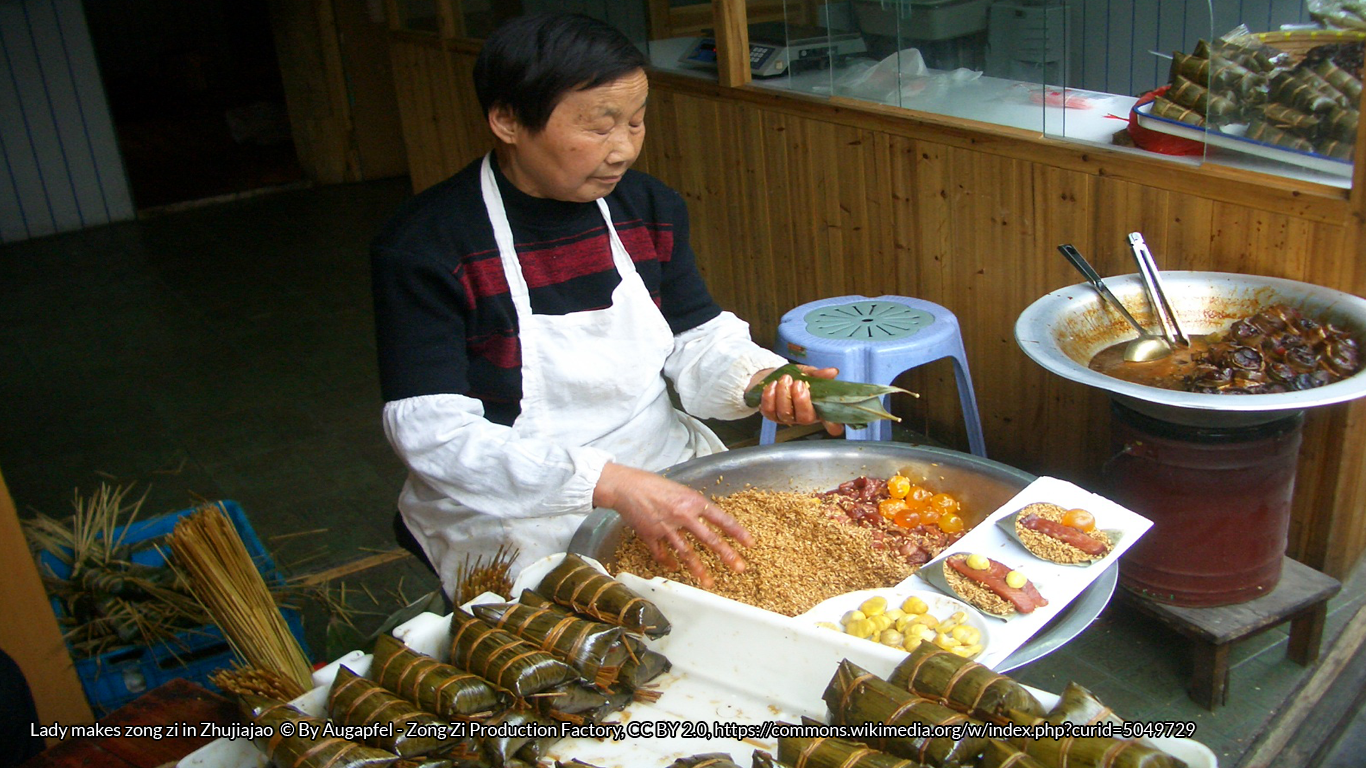
When I was a little girl, I used to watch with open-mouthed admiration and puzzlement as my mother prepared the ingredients for the making of zong zi (rice wrapped in leaf). She would make a variety of fillings: sweet chestnuts, dried shrimp, pork meat, and mushrooms. There would be a lot of soaking, stewing and […]
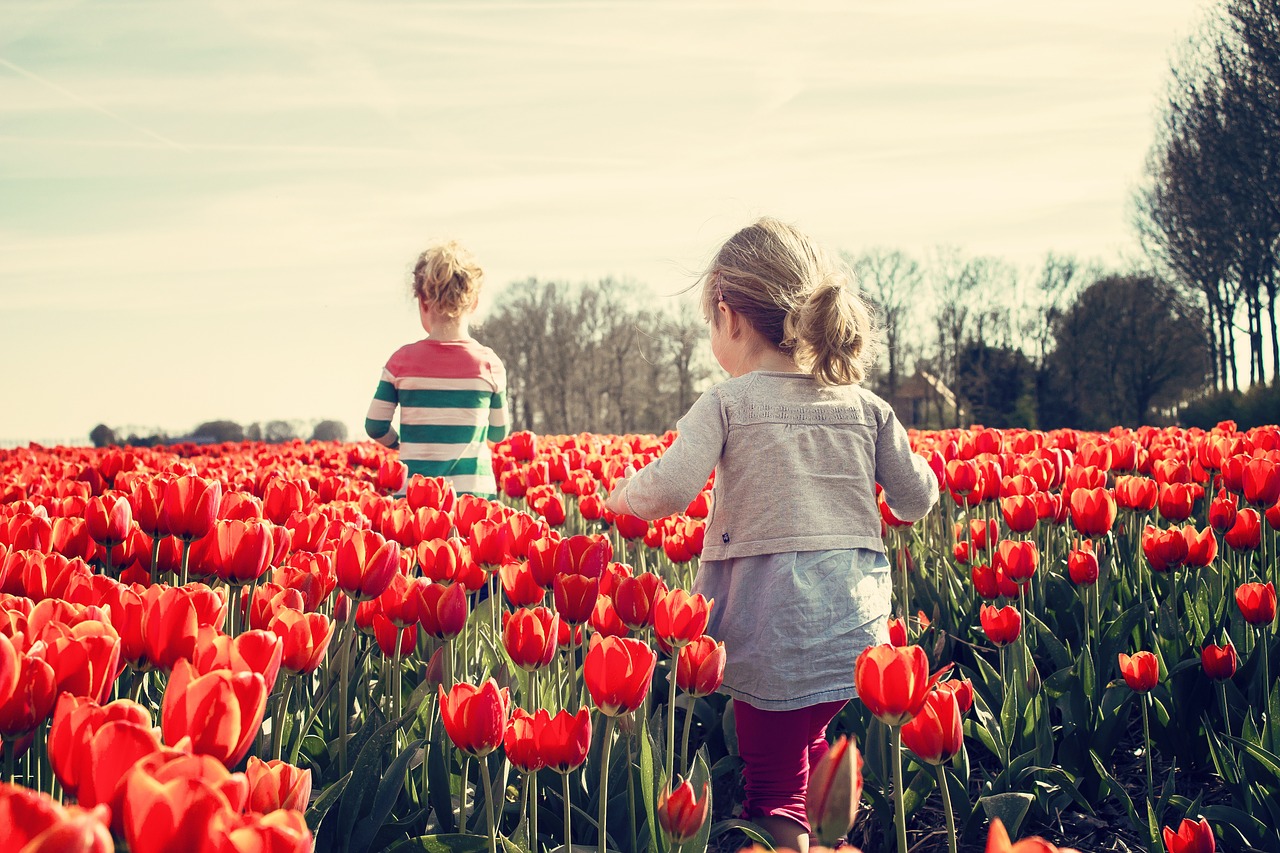
The joy of folklore is that it can be discovered and enjoyed at any age! Kate Boughton (@bigsmallfolk) shares some fun activities to get children excited about and involved in different aspects of folklore. Here are ten practical ideas to engage children in folklore.
By continuing to use the site, you agree to the use of cookies. more information
The cookie settings on this website are set to "allow cookies" to give you the best browsing experience possible. If you continue to use this website without changing your cookie settings or you click "Accept" below then you are consenting to this.