British Legends: The Tragic Romance of Tristan and Isolde

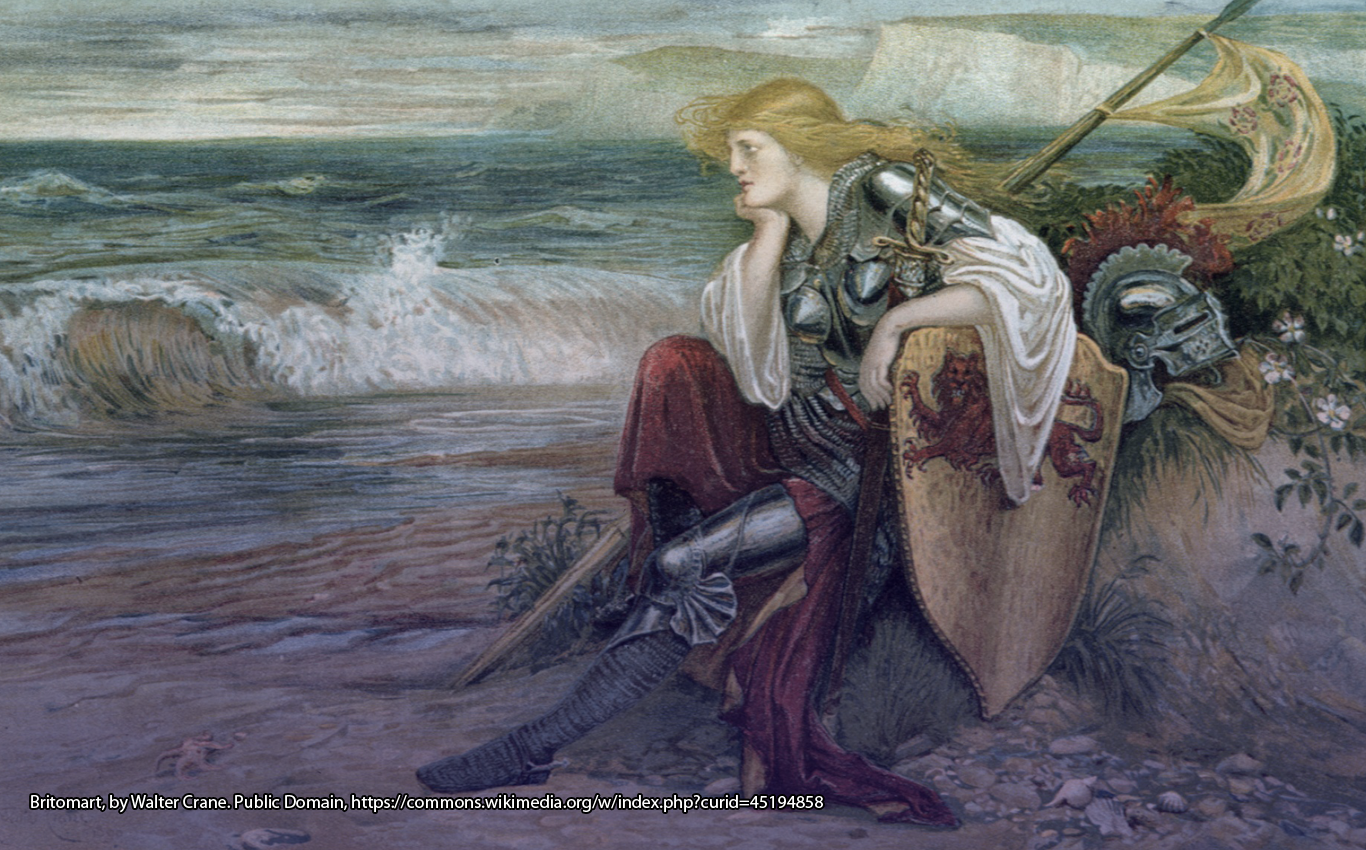
The tale of Tristan and Isolde became a popular Arthurian tale during the 12th century, though it is believed to go back much further, having connections to Celtic legends.
The tale of Tristan and Isolde became a popular Arthurian tale during the 12th century, though it is believed to go back much further, having connections to Celtic legends.
Jánošík, a young outlaw with braided hair, carrying a shepherd’s axe called valaška, and wearing rural clothing, is the unlikely hero of Slovakia who is also popular in Poland and the Czech Republic. Throughout the last three hundred years, he has remained to be the symbol of the fight for freedom, and he continues to inspire people to create more, fight for justice, and not to lose hope in the face of adversity.
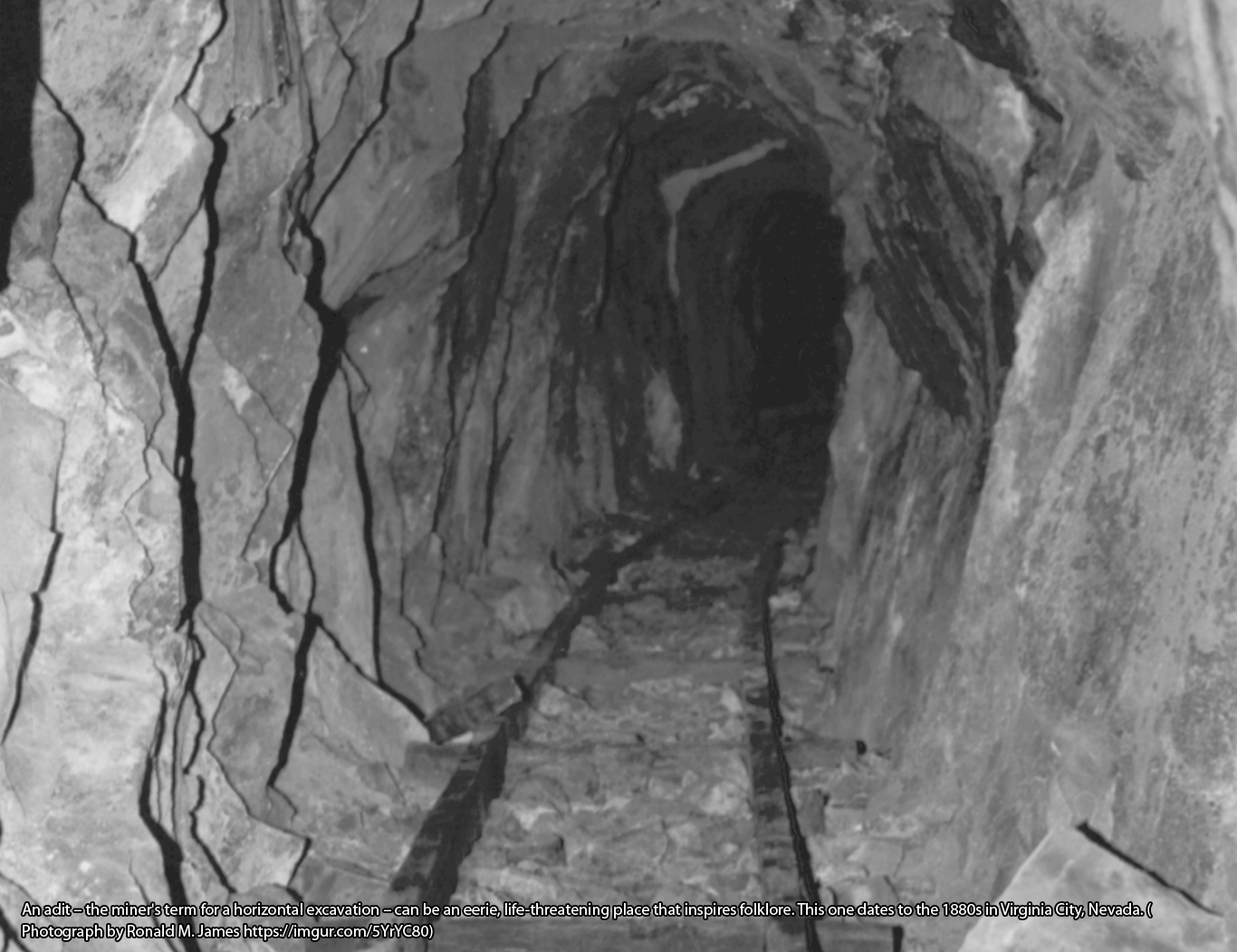
alking deep into a mine, when the last gleam of sunlight is eclipsed by the next turn, reveals the overwhelming weight of being underground. When all signs of the outside world are gone, the bulk of the mountain above seems even more menacing as it threatens to crush the wooden supports that keep miners alive. […]
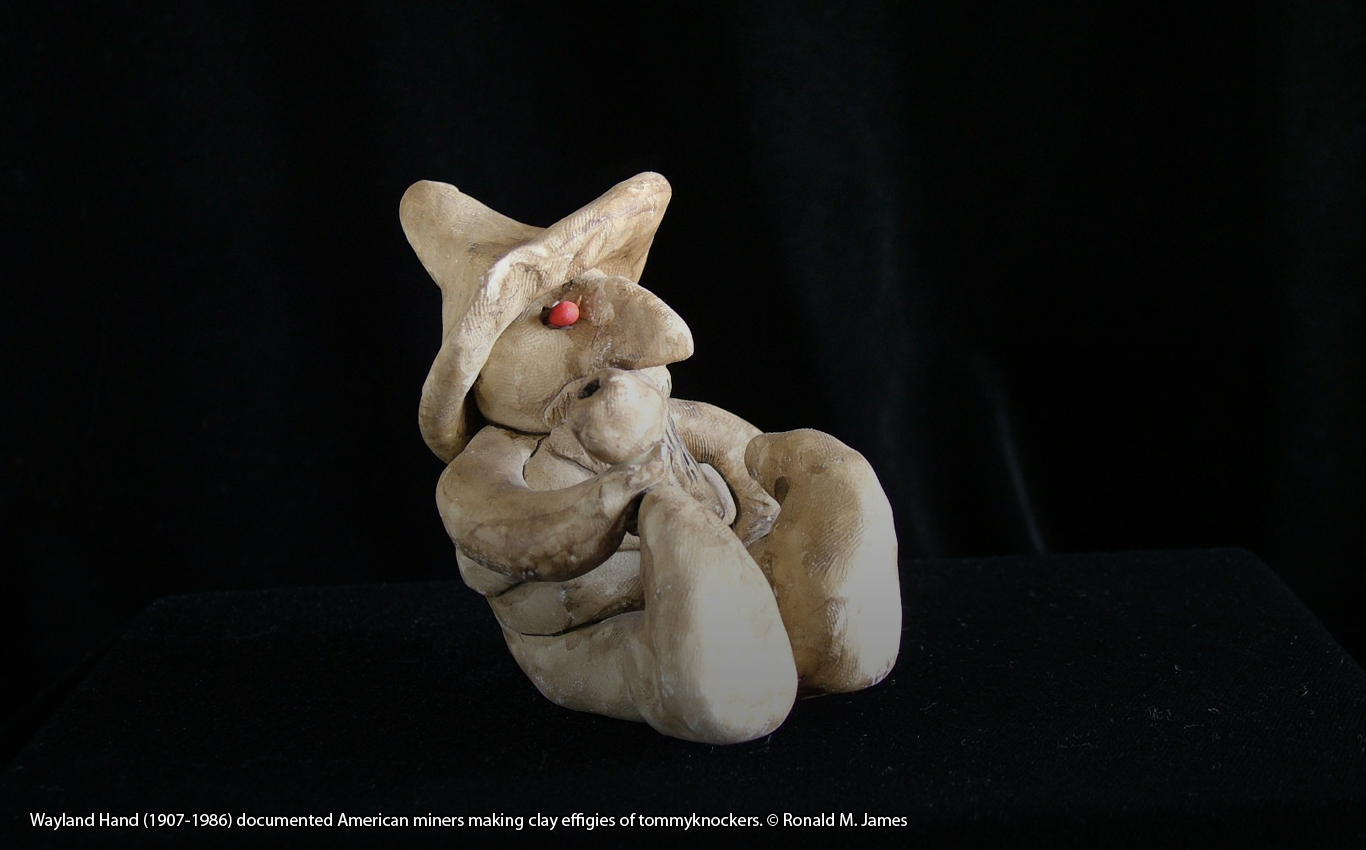
The Folklore of Cornwall: The Oral Tradition of a Celtic Nation addresses everything from piskies – south west Britain’s fairies – to mermaids, harvest festivals, a corpse visiting his betrothed, and the giants long noted for making the Cornish peninsula their home. And amid all this are the spirits of the mines – knockers together with the tommyknockers, their New World descendants.
The epic unfinished poem, The Faerie Queene by Edmund Spenser, published 1590-96, created a parallel of the medieval universe.
By continuing to use the site, you agree to the use of cookies. more information
The cookie settings on this website are set to "allow cookies" to give you the best browsing experience possible. If you continue to use this website without changing your cookie settings or you click "Accept" below then you are consenting to this.