Folkore of Wales: The Skeleton Tree, Derwen Ceubren yr Ellyll
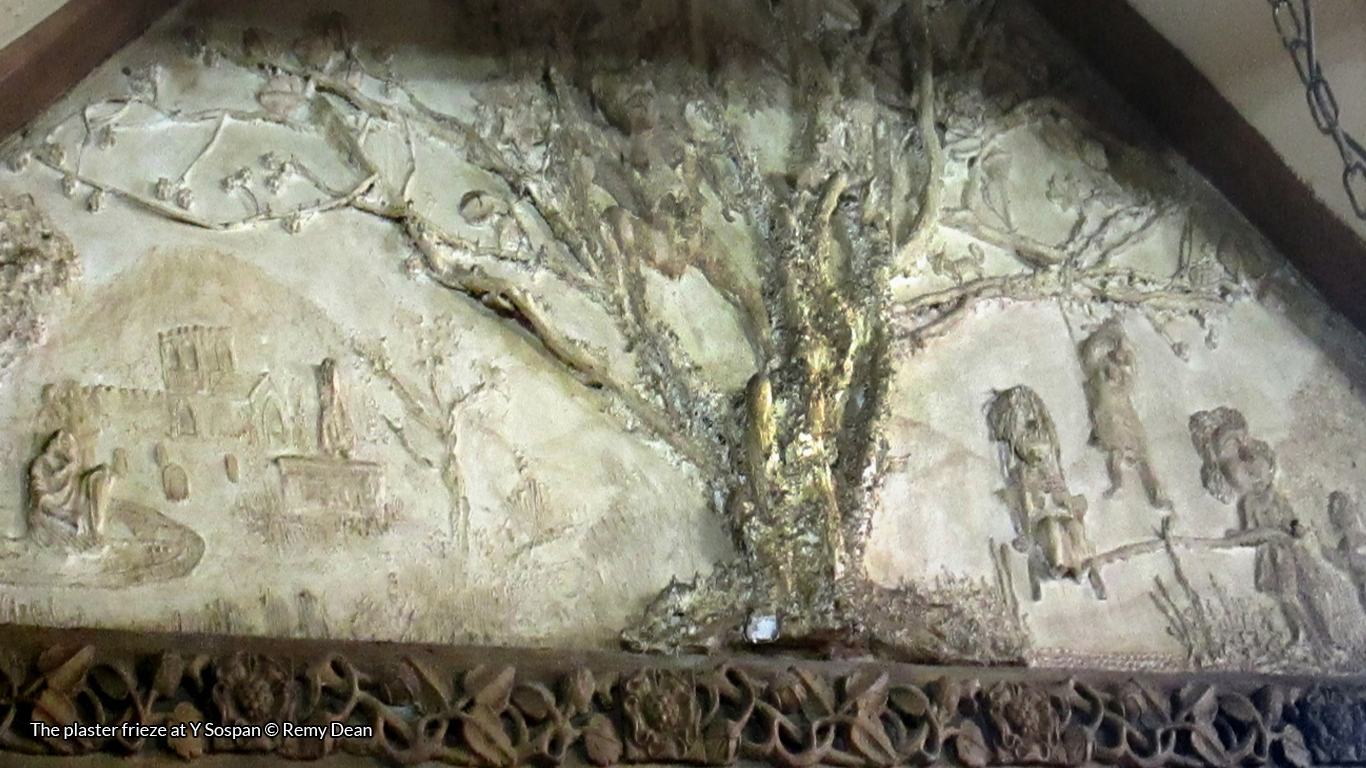
Derwen Ceubren yr Ellyll, which means “The Hollow Oak, Haunt of Demons” or “The Blasted Oak of Spirits” was a real tree. Its story is dark and terrifying.
Derwen Ceubren yr Ellyll, which means “The Hollow Oak, Haunt of Demons” or “The Blasted Oak of Spirits” was a real tree. Its story is dark and terrifying.
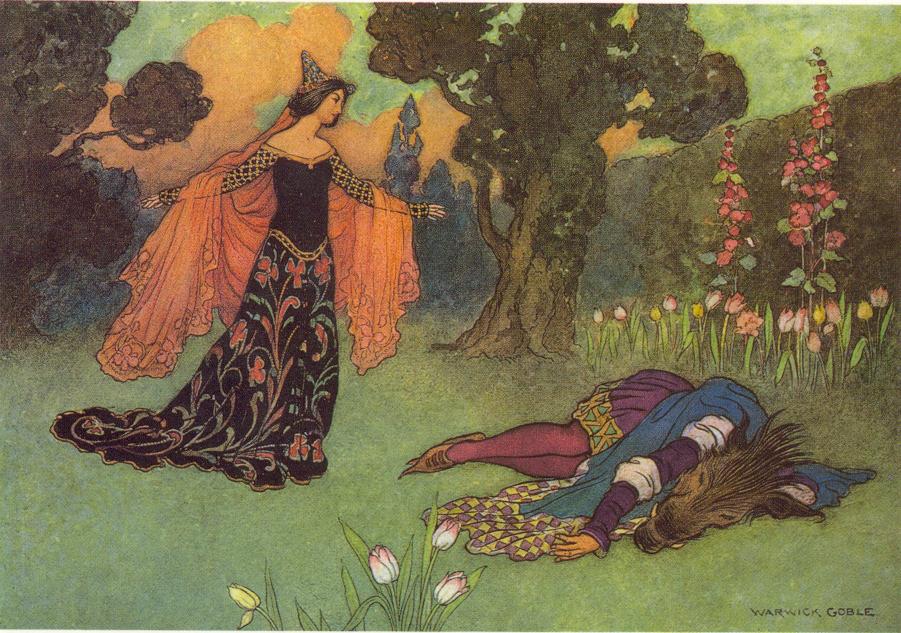
A tale with a handsome prince cursed to live as a monstrous beast and a courageous beauty who consents to be his prisoner in order to save her father.
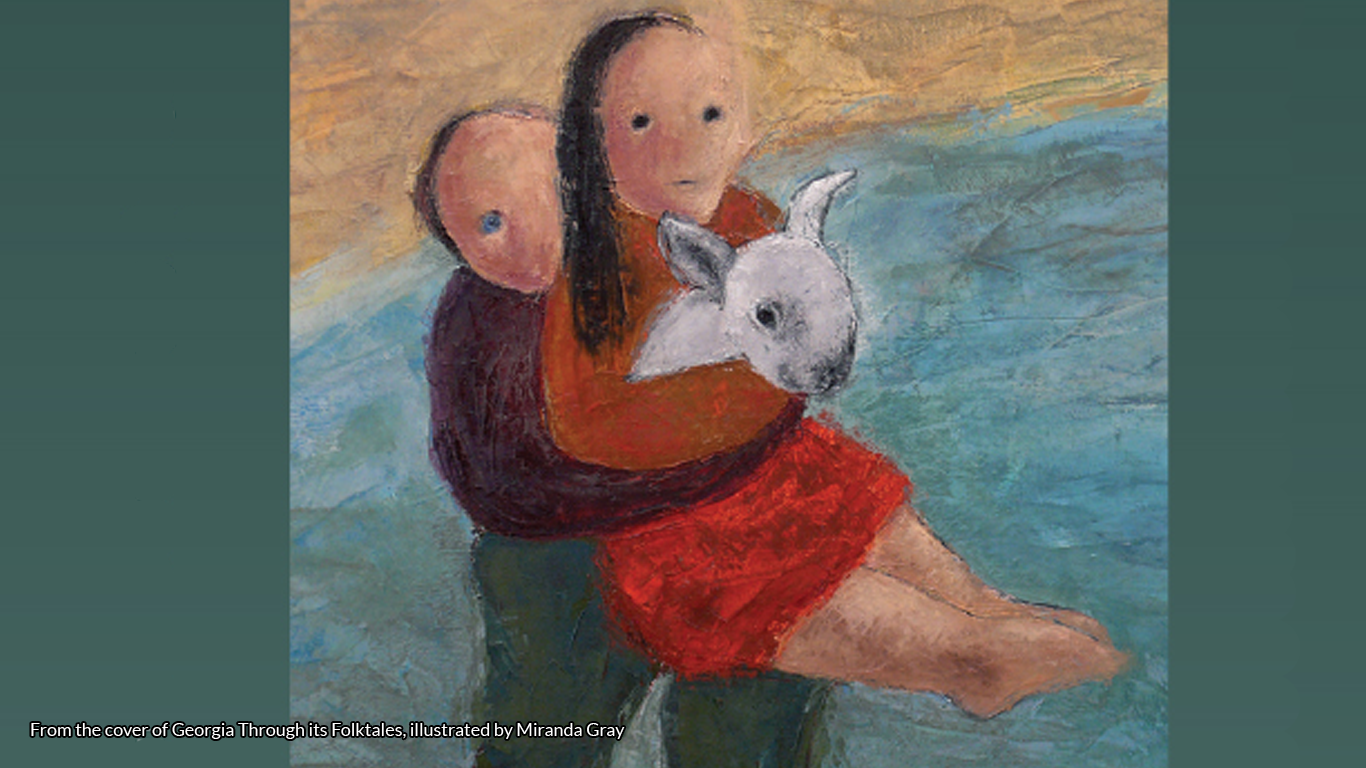
This is a story collected in Michael Berman’s book Georgia Through its Folktales. The book explores the shamanic possibilities held within folk tales.
The Norwegian folktale, “East of the Sun and West of the Moon,” in which a white bear comes to take a poor girl away, is loved by people the world over. It is also part of a huge cycle of folklore and myth that has spanned Eurasia in the last 2500 years.
Robin Hood is known by everyone as the English outlaw hero, dashing through the greenwood with his band of merry men to rob from the rich and give to the poor, before feasting on poached deer under the stars.
By continuing to use the site, you agree to the use of cookies. more information
The cookie settings on this website are set to "allow cookies" to give you the best browsing experience possible. If you continue to use this website without changing your cookie settings or you click "Accept" below then you are consenting to this.