A Spot of Easter Violence, Anyone?

Easter customs of old were many and varied but who would have expected so many of them to be nothing short of violent? Some believe Easter is named after the pagan spring festival celebrating Ēostre or Ostara; historically known as the spring equinox, this might explain why the date of Easter is calculated by the cycles of the moon. It falls on the Sunday following the full moon after the first day of spring — nothing Christian about that calculation! One would have thought the dates of Christ’s death and resurrection would have been more definitely commemorated but, no, we stick to celebrating the coming of spring. Compared to this oddity, some of the bizarre customs associated with Easter stop seeming so bizarre. The violence involved in some of them, though, is a little harder to explain…

Top 10 Fun Folklore Activities for Children and Their Grown-ups

The joy of folklore is that it can be discovered and enjoyed at any age! Kate Boughton (@bigsmallfolk) shares some fun activities to get children excited about and involved in different aspects of folklore. Here are ten practical ideas to engage children in folklore.

The Grotter & the Strange History of Shell Grottos

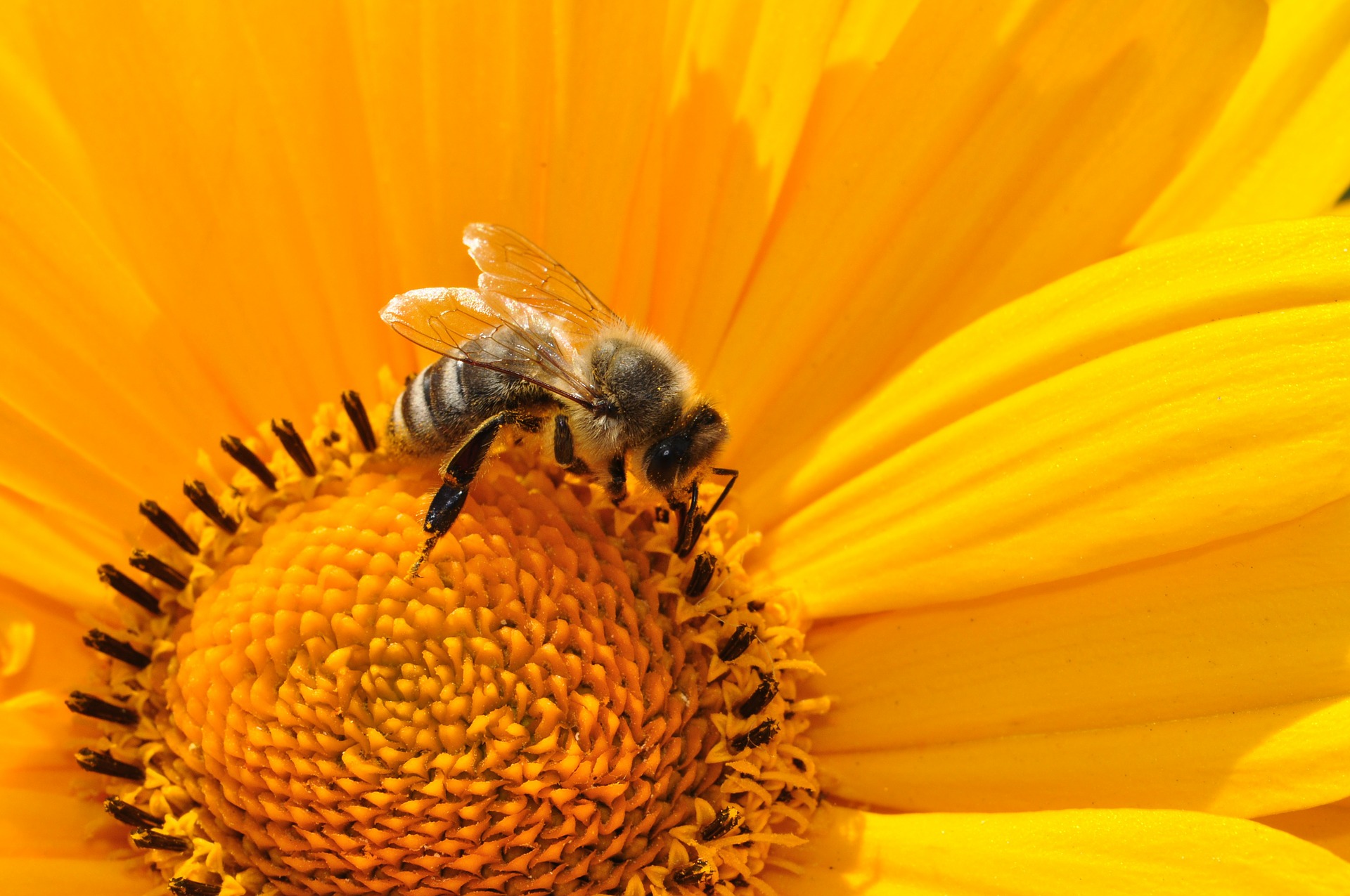
Shell grottos have a certain murky ambiguity to their history and folklore. This for me made them all the more enticing to use as the basis for a ghost story in my tale, ‘The Grotter’ in Nyctophobias. Especially with my roots as a Whitstable native in Kent, where grottos are still primarily lit once a year as part of the Oyster Festival celebrations. These grottos are usually stacked in a ‘beehive’ style pyramid, held together with wet sand and illuminated by a short candle.

By continuing to use the site, you agree to the use of cookies. more information

The cookie settings on this website are set to "allow cookies" to give you the best browsing experience possible. If you continue to use this website without changing your cookie settings or you click "Accept" below then you are consenting to this.

Close