The Skull-Faced Bishop: The Horrific Image of One Vancouver Island Ghost
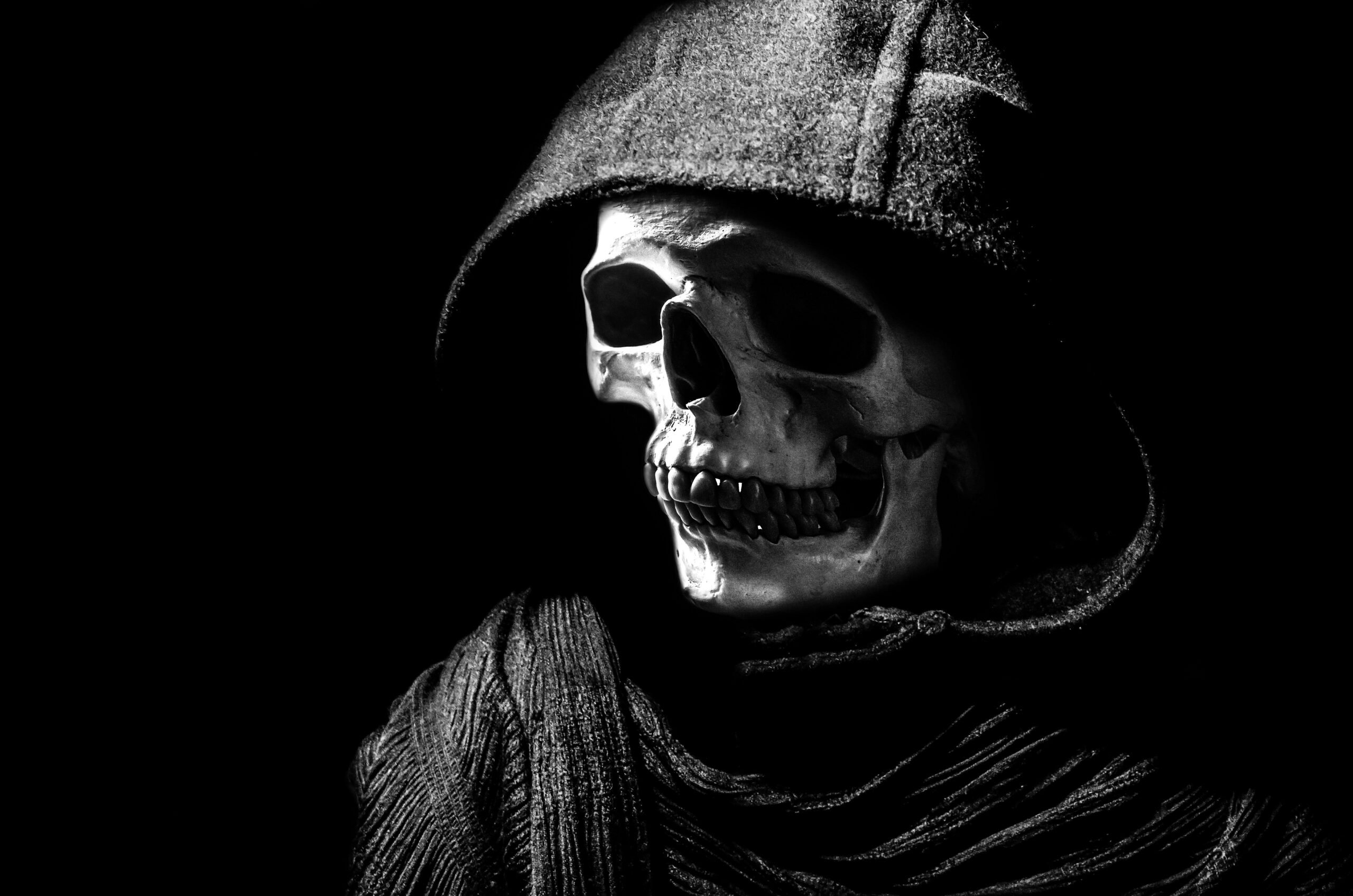
Bishop Seghers’ apparition is one of Vancouver Island’s most terrifying visages.
Bishop Seghers’ apparition is one of Vancouver Island’s most terrifying visages.
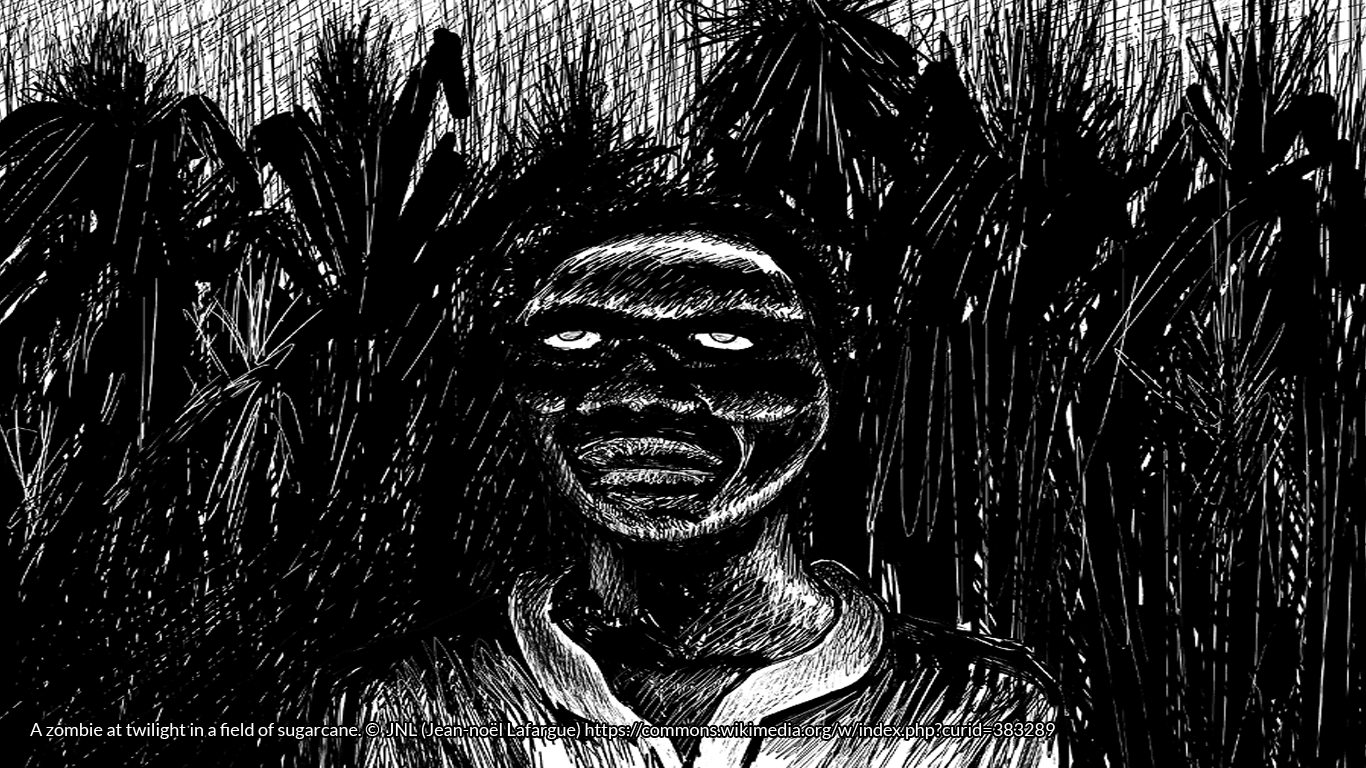
When one hears the word “zombie” various images come to mind: usually that of flesh-eating, brain-devouring monsters; that is just our modern perception.
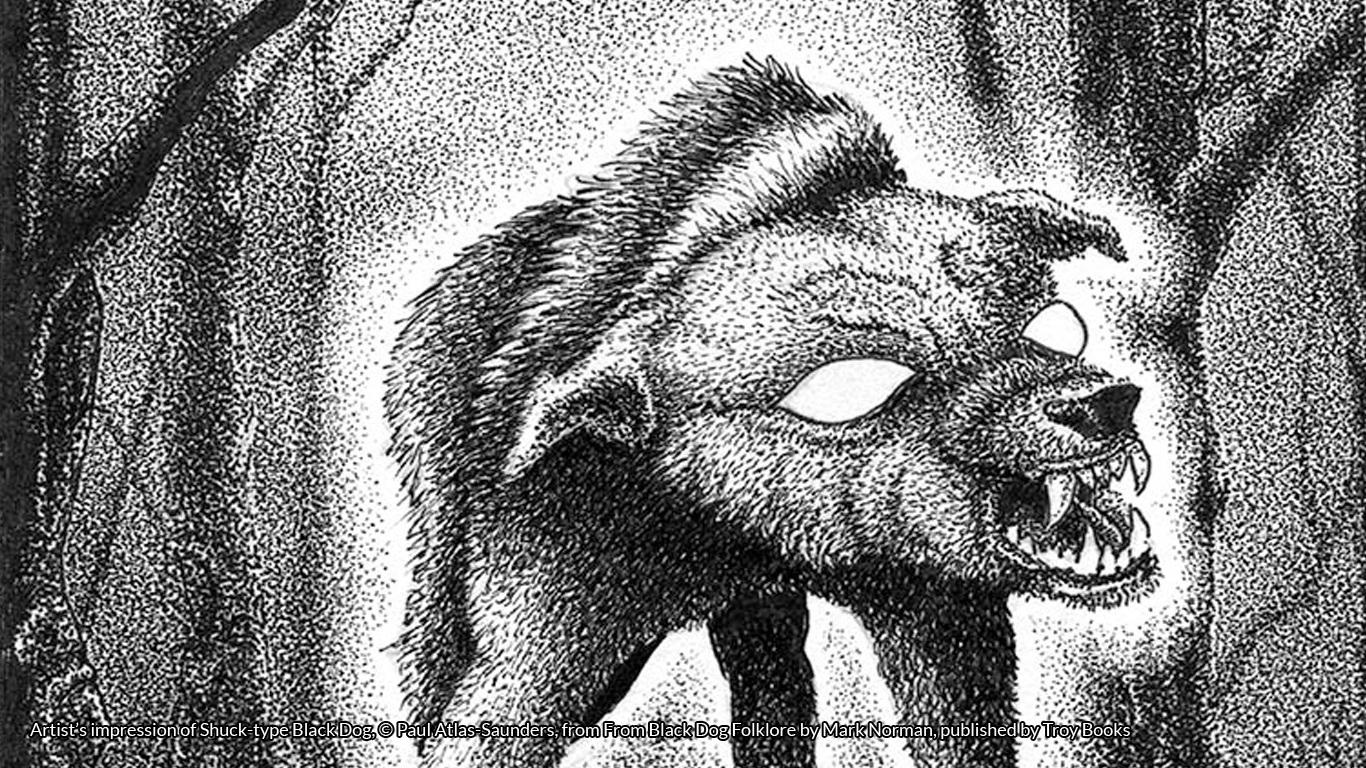
“Bones of 7ft Hound from Hell Black Shuck ‘Discovered.’” During an archaeological dig, the skeletal remains of a very large dog were found amongst the ruins.
The Benandanti were a surprising third party in the fight of good versus evil in Medieval Italy; one that not even the Holy Inquisition could make sense of.
Folklore changes and evolves with the peoples and their societies. It’s not rigid, it’s not concrete. As time passes, new characters emerge and others get their stories and features improved. Some may also disappear. This character (or monster!) I talk about in this post is quite modern – and scares many people, just by being so. Let’s meet A Loira do Banheiro (The Fair-haired Lady from the Toilet).
By continuing to use the site, you agree to the use of cookies. more information
The cookie settings on this website are set to "allow cookies" to give you the best browsing experience possible. If you continue to use this website without changing your cookie settings or you click "Accept" below then you are consenting to this.