Dark Folklore: The Hand of Glory in Folk Magic
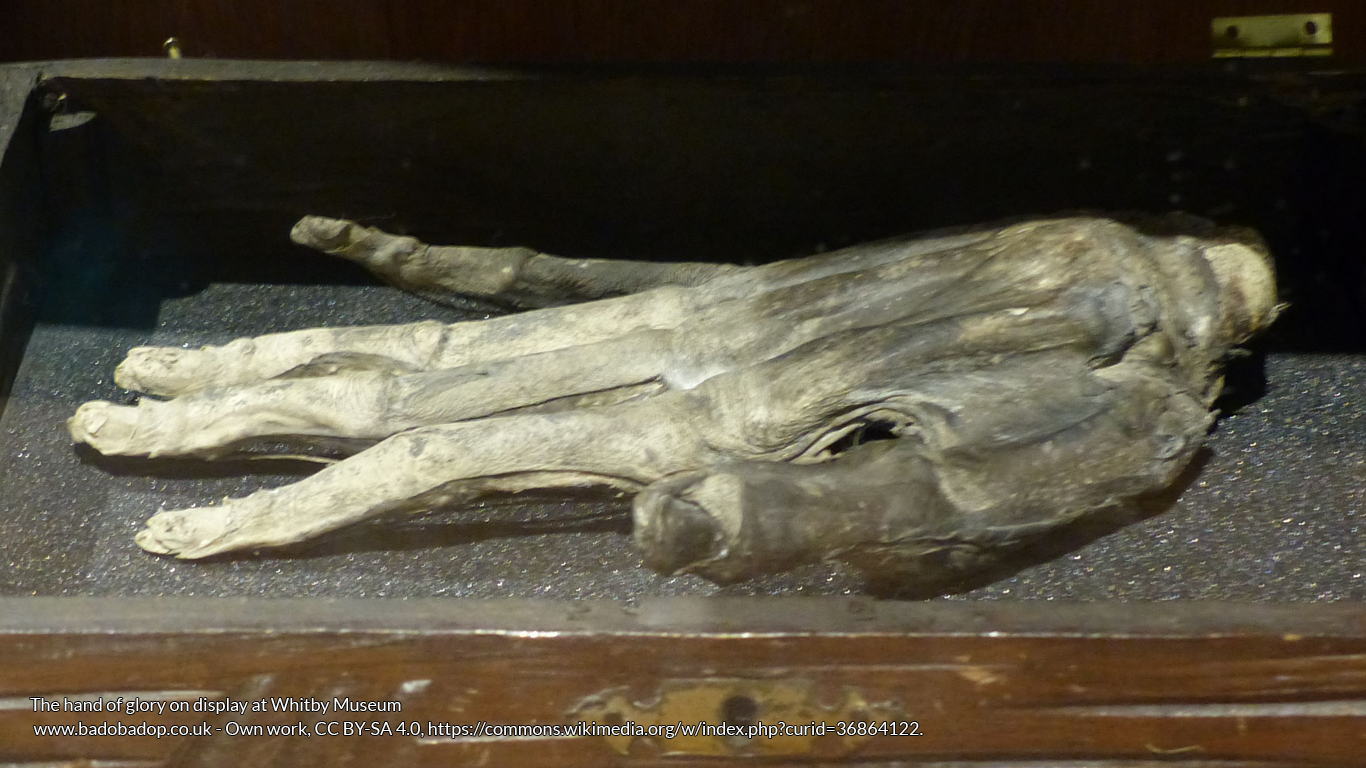
We’ve all heard of the infamous hand of glory, the hand of a dead man, hanged for his crimes, and it’s often said that it could be used to open any lock.
We’ve all heard of the infamous hand of glory, the hand of a dead man, hanged for his crimes, and it’s often said that it could be used to open any lock.
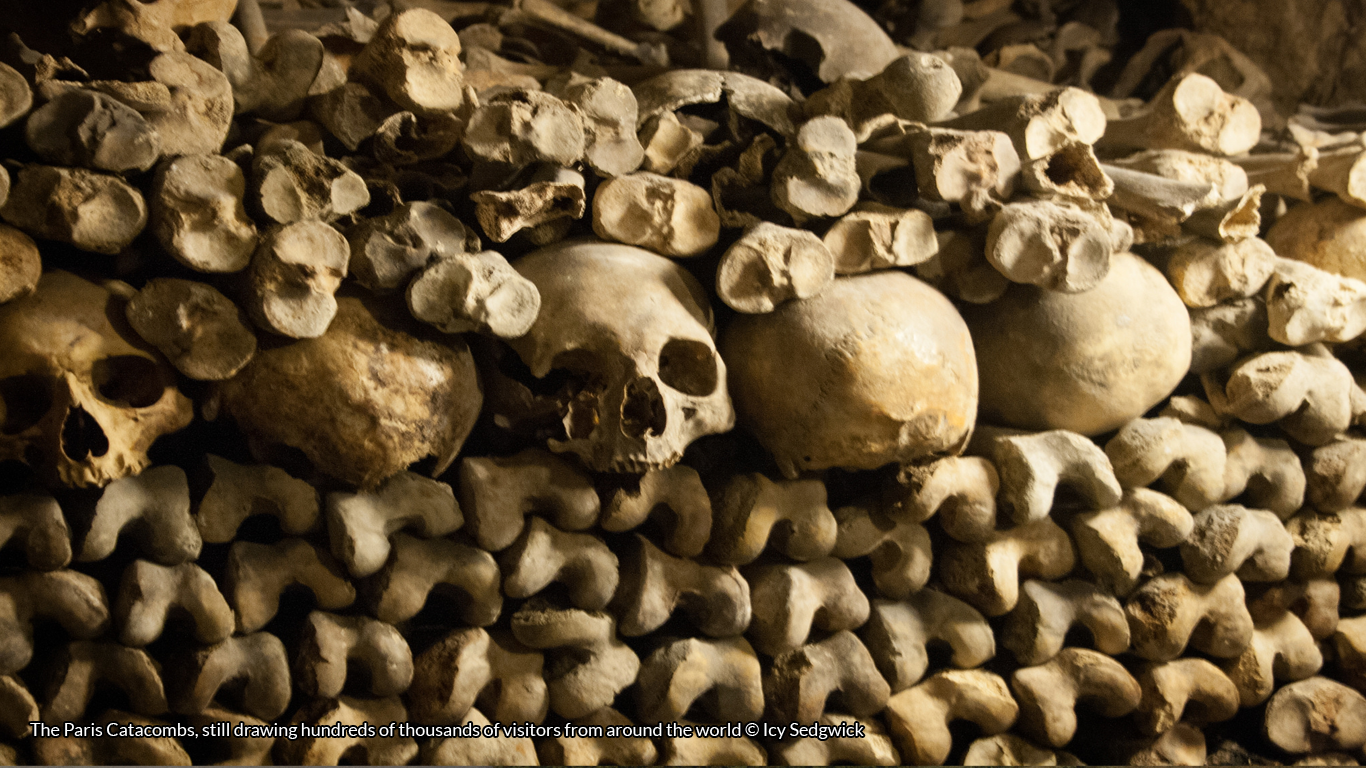
Icy Sedgwick explores the folklore, beliefs, and superstitions associated with the human skeleton in traditional and contemporary cultures across the world.
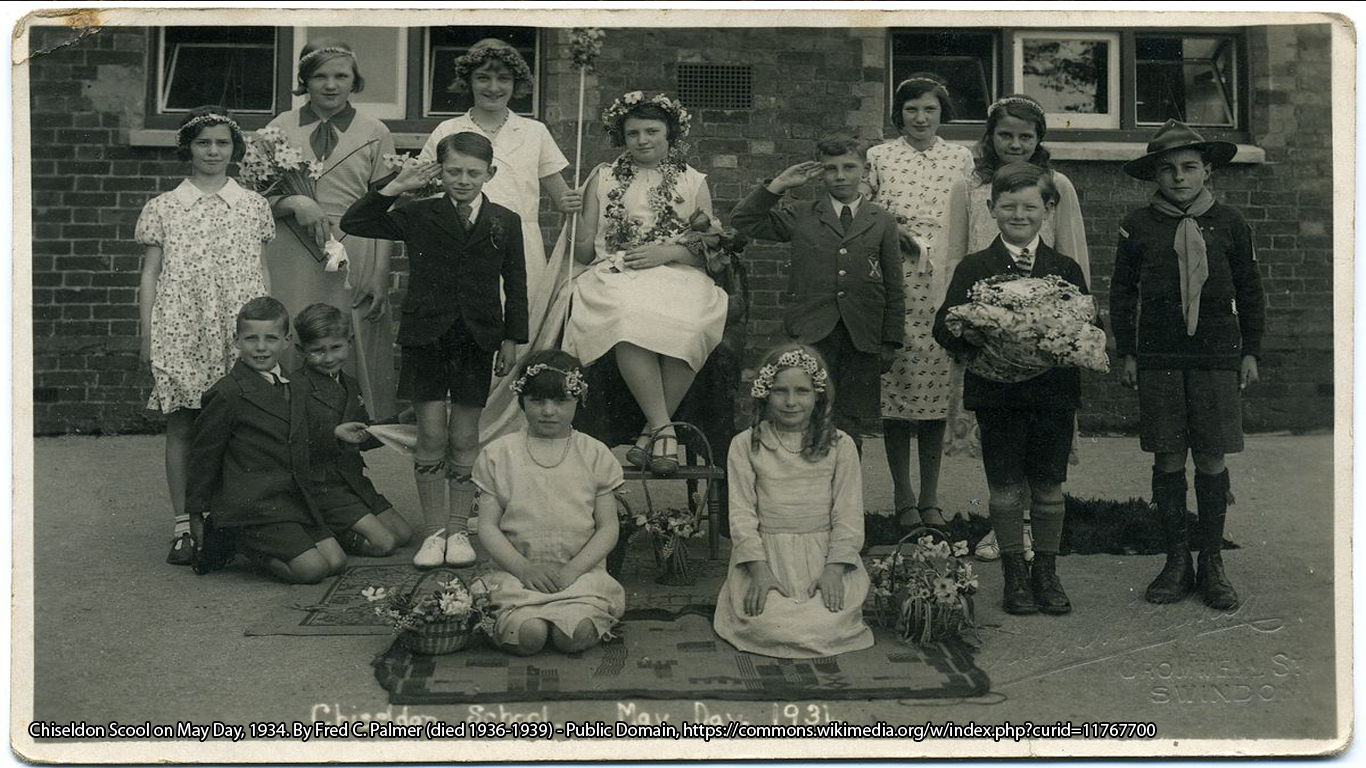
May Day is a traditional spring celebration in many cultures, linked with Gaelic Beltane, and is now also the date of Labour Day.
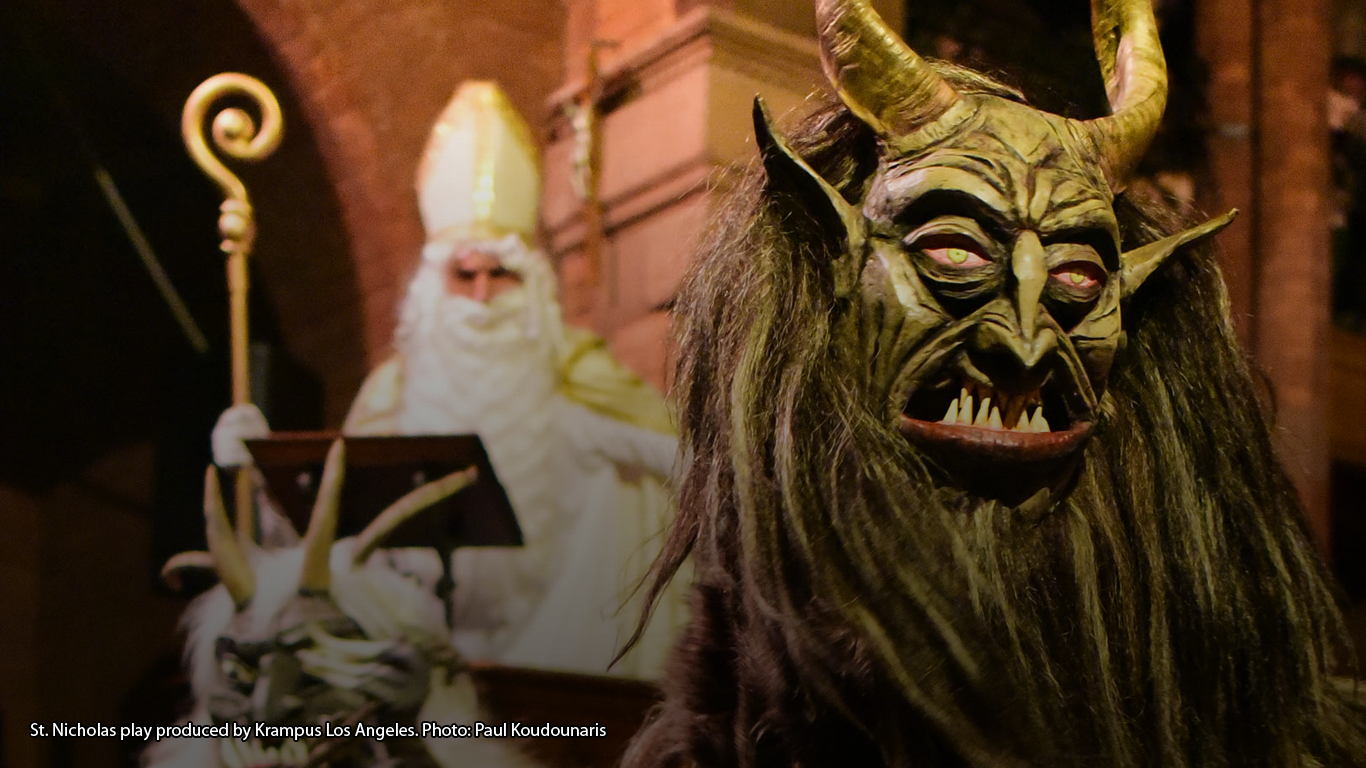
Relentlessly sunny and known for a love of trend over tradition, Los Angeles is an unlikely home to a new incarnation of the old Alpine devil. It helps, perhaps, that make-believe is serious business in my town, and that it’s filled with creative people prone to see in an old tradition of folk Catholicism a revolutionary way to shake up the holidays.
October the season of death is here and soon comes Halloween with its cavalcade of ghosts and goblins together with the Catholic holy days of All Saints and All Souls, known in Latin America as Dia de los Muertos (Day of the Dead).
By continuing to use the site, you agree to the use of cookies. more information
The cookie settings on this website are set to "allow cookies" to give you the best browsing experience possible. If you continue to use this website without changing your cookie settings or you click "Accept" below then you are consenting to this.