Ghosts, Angels & Death Omens: The Seven Whistlers in Mining Folklore
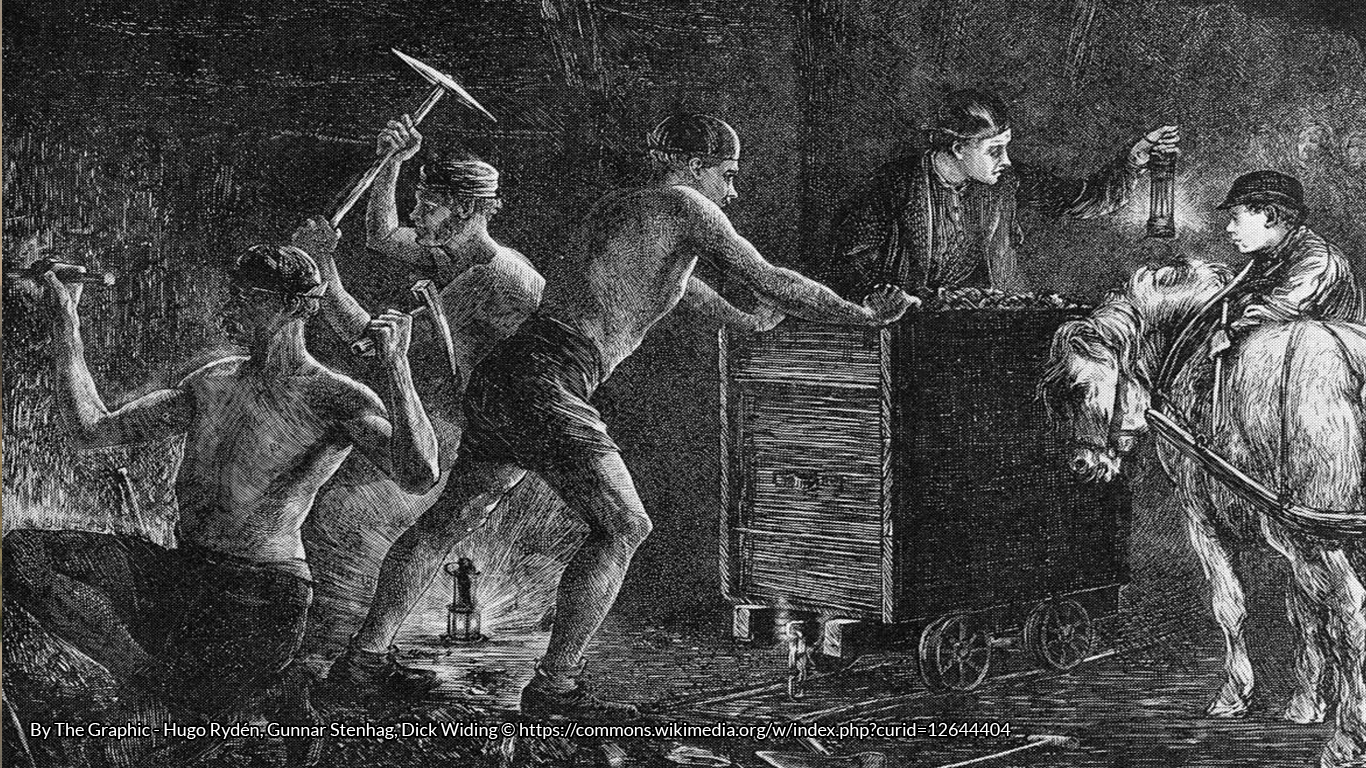
On 21st September, 1874, after hearing the cries of the ‘Seven Whistlers’, miners employed in North Warwickshire refused to descend into the coal pits.
In the autumn of 1972, numerous Swedish newspapers described how werewolves were causing people to panic in a town in a town in southern Sweden. According to the articles, fearsome werewolf attacks caused a “werewolf panic”, children were “paralysed with fear”, and one article even said that the following concerning the werewolves, “three school children killed!
Folklore changes and evolves with the peoples and their societies. It’s not rigid, it’s not concrete. As time passes, new characters emerge and others get their stories and features improved. Some may also disappear. This character (or monster!) I talk about in this post is quite modern – and scares many people, just by being so. Let’s meet A Loira do Banheiro (The Fair-haired Lady from the Toilet).
This article is about clowns. If you have clourophobia you might want to look away now. Not many forms of entertainment have their own phobia, yet there seems to be something about clowns that gets deep into our psyche.
Arthur Spray, known as ‘The Mysterious Cobbler of Bexhill’, wrote an autobiography in 1935 which detailed his famed powers in healing and hypnotism.
By continuing to use the site, you agree to the use of cookies. more information
The cookie settings on this website are set to "allow cookies" to give you the best browsing experience possible. If you continue to use this website without changing your cookie settings or you click "Accept" below then you are consenting to this.