A Thousand Years Before Tolkien: The Original Evil Magic Ring
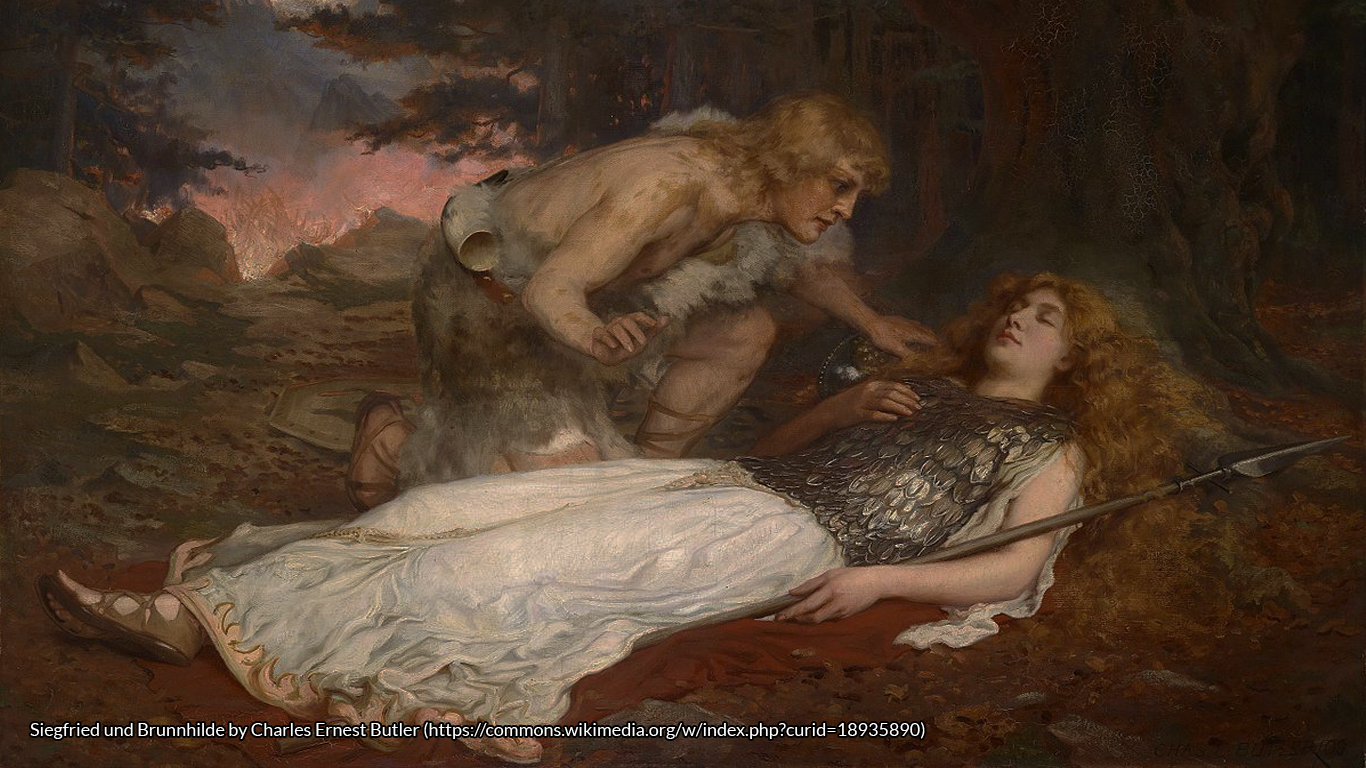
An evil magic ring, associated with dwarf and dragon – what a great idea Tolkien had for his books! But he actually borrowed it from ancient Viking legends…
An evil magic ring, associated with dwarf and dragon – what a great idea Tolkien had for his books! But he actually borrowed it from ancient Viking legends…
How do you rid yourself of a wife who no longer pleases you? Sell her, of course.
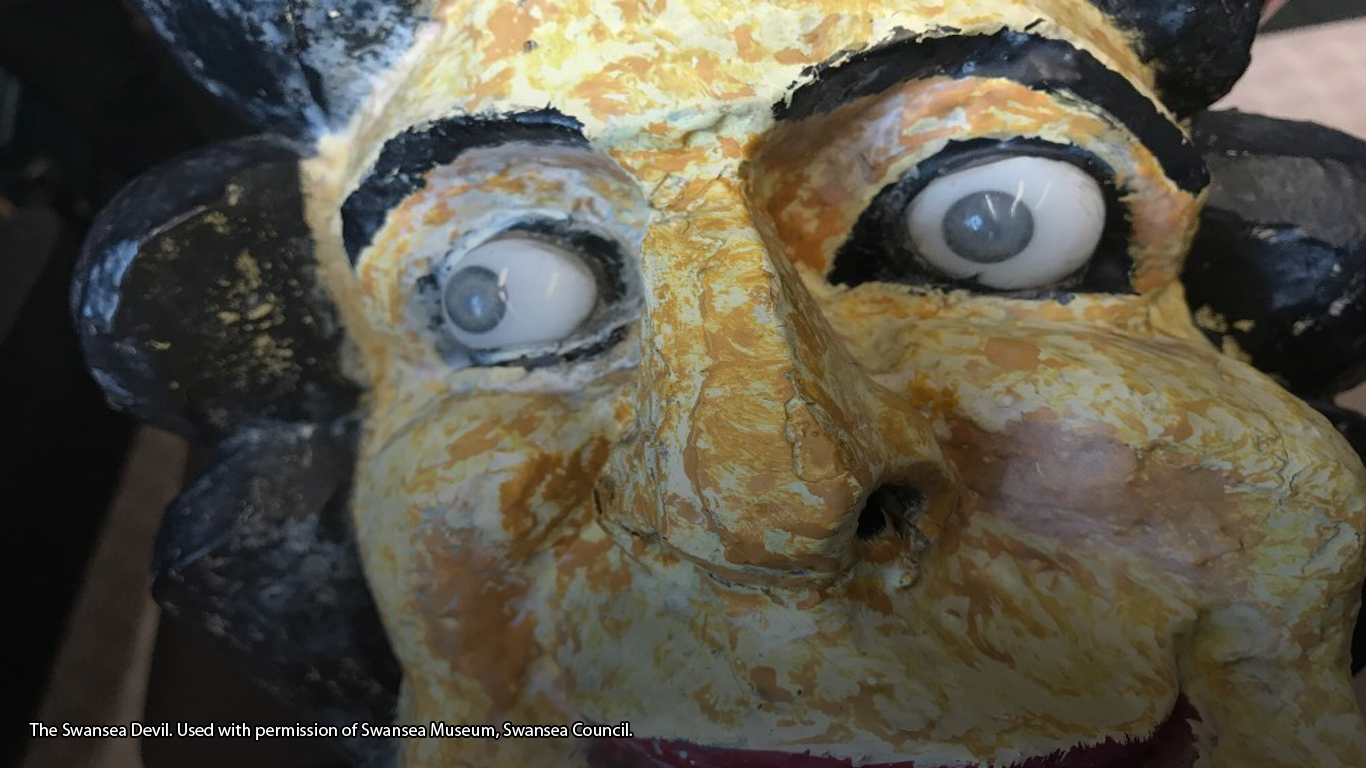
The Swansea Devil is a three-foot tall “cursed” sculpture which is said to have been responsible for destroying a church.
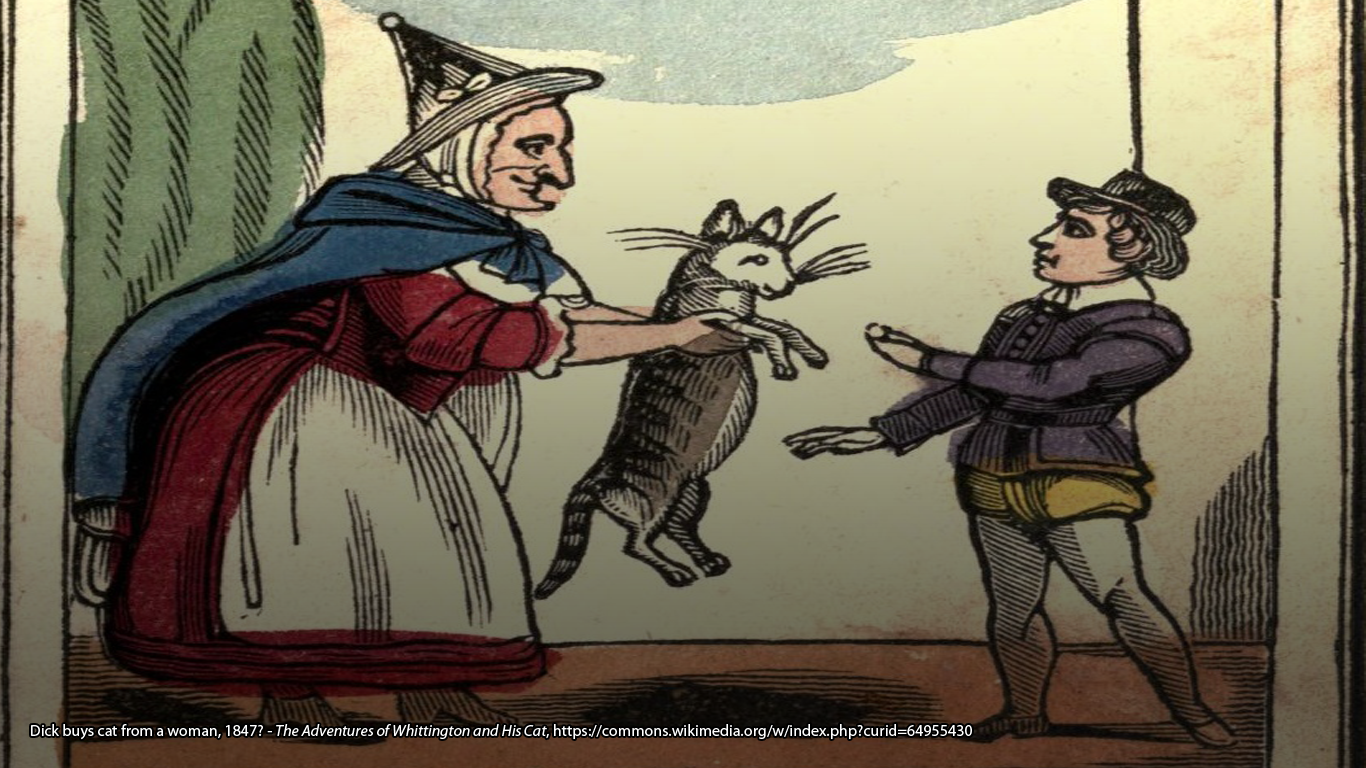
It seems fairly logical to begin our search for the real Dick Whittington at Whittington Castle in Shropshire, which local lore claims to have been his home.
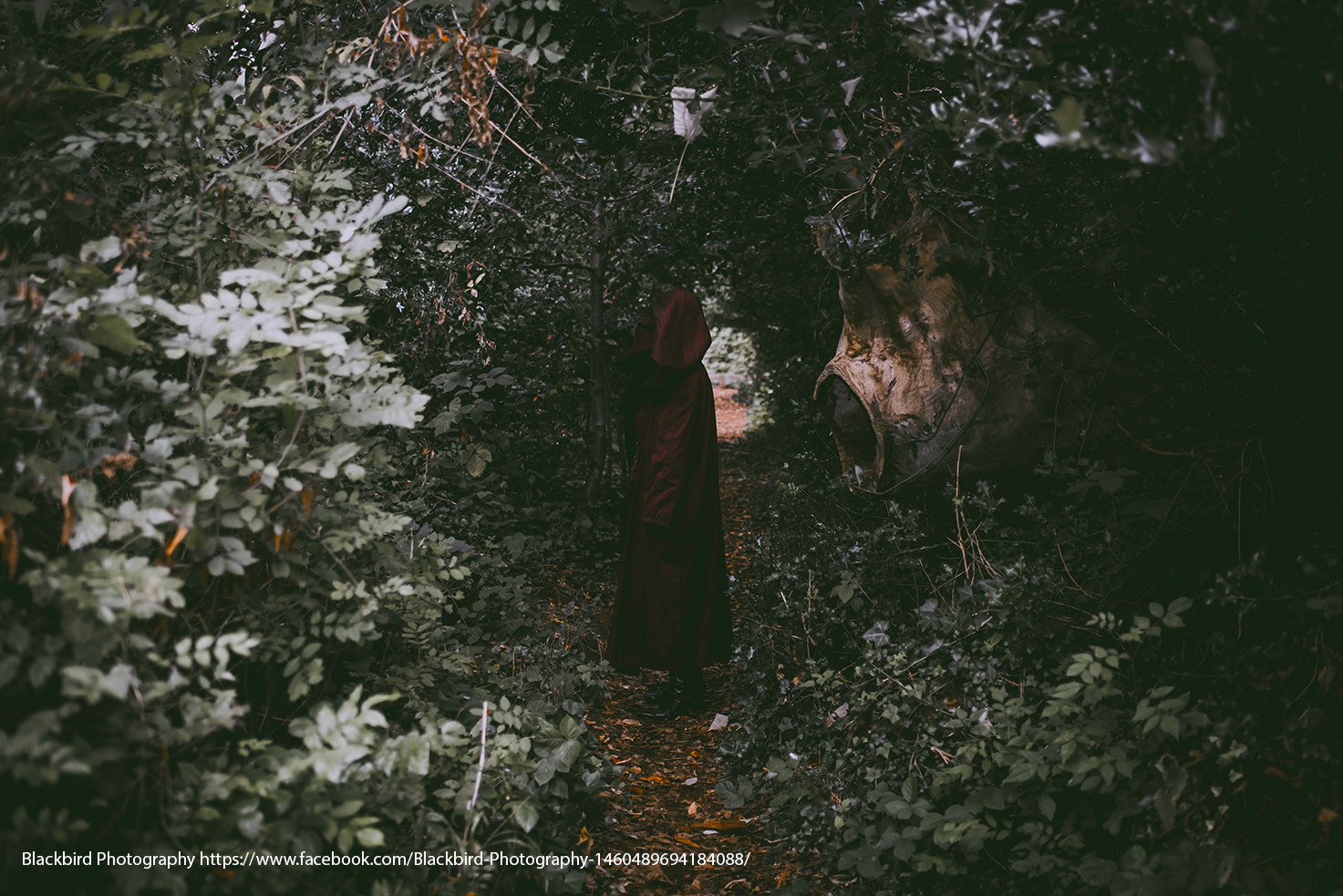
North London has captured the imagination of gothic writers through the ages, exploring both sides of the region’s possibly: one a promise, one a threat.
By continuing to use the site, you agree to the use of cookies. more information
The cookie settings on this website are set to "allow cookies" to give you the best browsing experience possible. If you continue to use this website without changing your cookie settings or you click "Accept" below then you are consenting to this.