Folklore: To Define or Not To Define? Why is This a Question?
Dr. Lynne S. McNeill explains what folklore is, and what folklorists do.
Dr. Lynne S. McNeill explains what folklore is, and what folklorists do.
You cannot venture into the world of internet Folklore without stumbling on the constant squabbles over what folklore is “right” and which version of a story is “correct”, yet the funny thing is that the fact these arguments exist means that people are not grasping how complex Folklore is, nor understanding the forces that drive it.
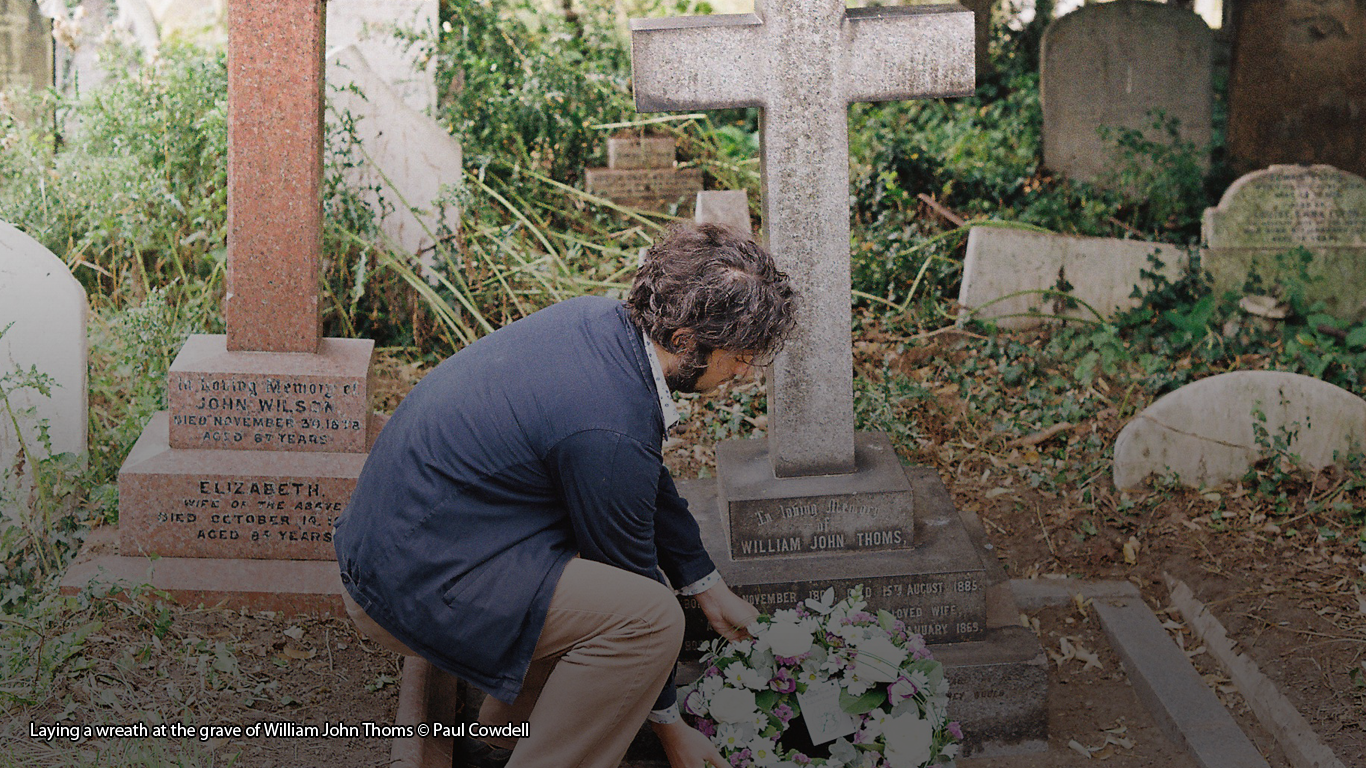
British regional folklorists of the 19th century remain, in many cases, rather obscure figures. Margaret Helen James (1859–1938) deserves particular attention for using her writing about folklore to give a voice to ordinary women and critique a patriarchal society, but until 2017 James was completely forgotten.
You’re obviously already interested enough to know what folklore is, right? Yet the more we look at folklore, the less confident we can be about straightforward certainties.
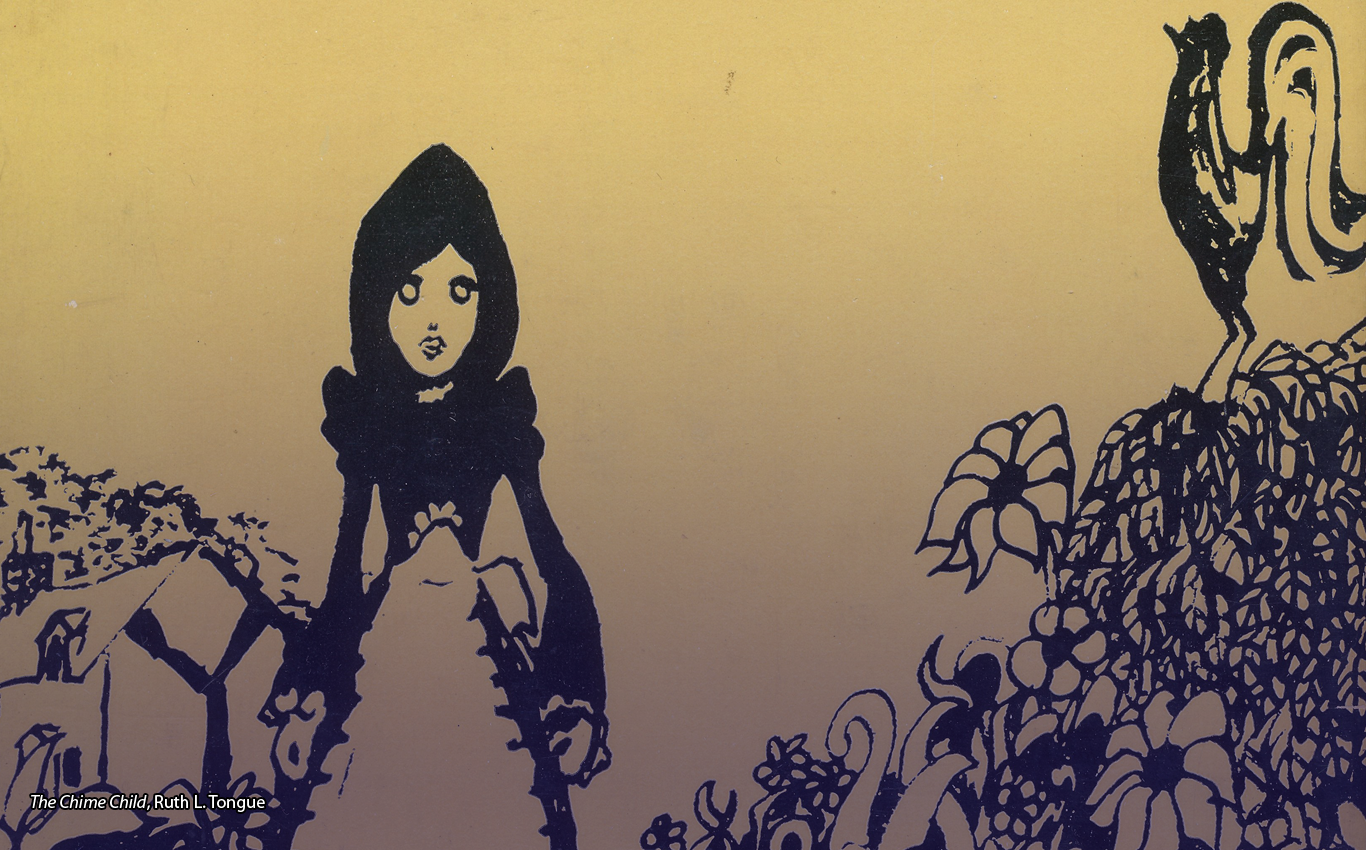
The Chime Child is one of the most enchanting books I know. It begins with the rustle of autumn deep in the Somerset countryside where villagers, mindful of the old ways, have set up a corn dolly for Harvest Festival.
By continuing to use the site, you agree to the use of cookies. more information
The cookie settings on this website are set to "allow cookies" to give you the best browsing experience possible. If you continue to use this website without changing your cookie settings or you click "Accept" below then you are consenting to this.