A Spot of Easter Violence, Anyone?

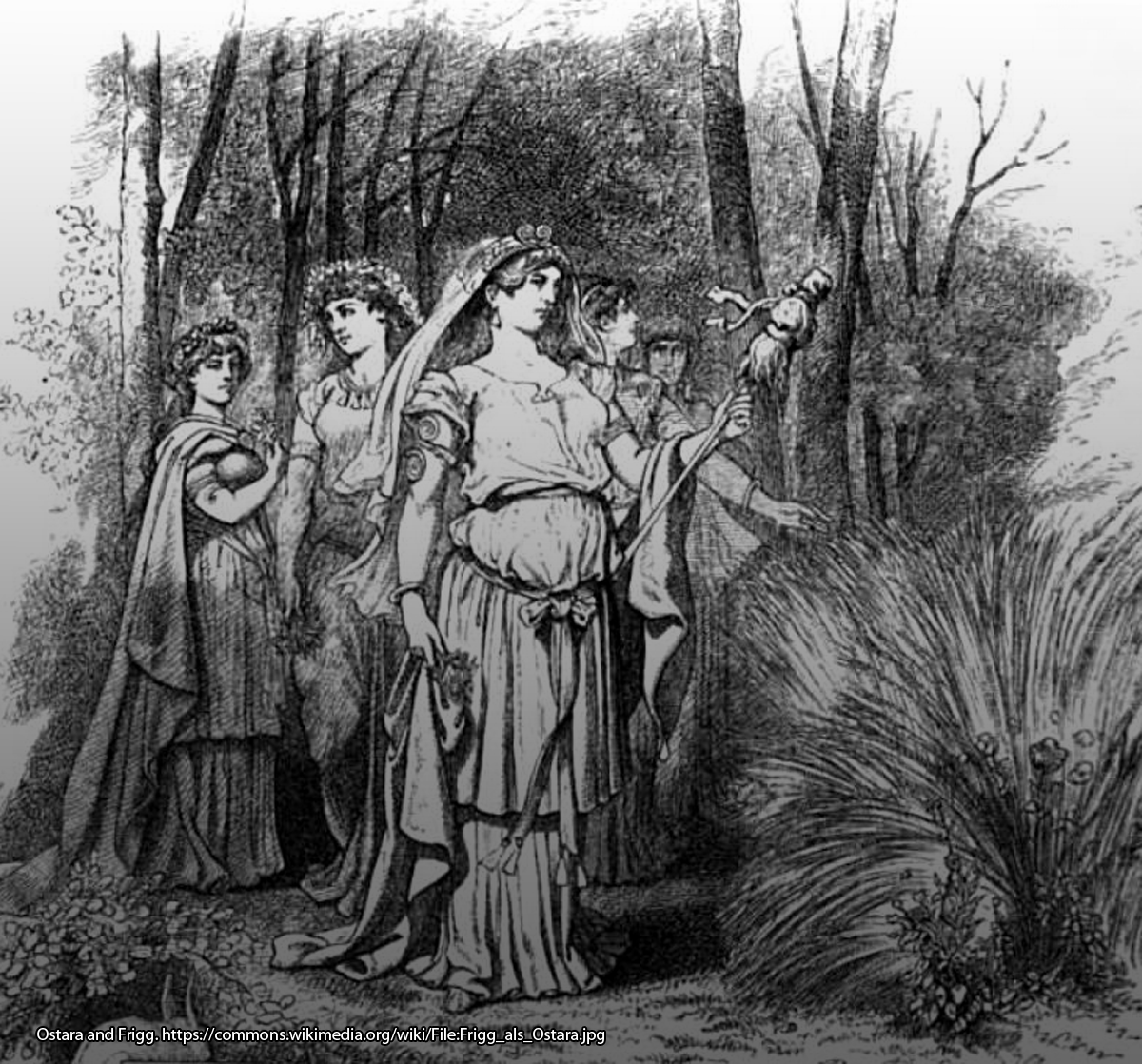
Easter customs of old were many and varied but who would have expected so many of them to be nothing short of violent? Some believe Easter is named after the pagan spring festival celebrating Ēostre or Ostara; historically known as the spring equinox, this might explain why the date of Easter is calculated by the cycles of the moon. It falls on the Sunday following the full moon after the first day of spring — nothing Christian about that calculation! One would have thought the dates of Christ’s death and resurrection would have been more definitely commemorated but, no, we stick to celebrating the coming of spring. Compared to this oddity, some of the bizarre customs associated with Easter stop seeming so bizarre. The violence involved in some of them, though, is a little harder to explain…
Slavic Traditions: The Garlands of Midsummer’s Eve

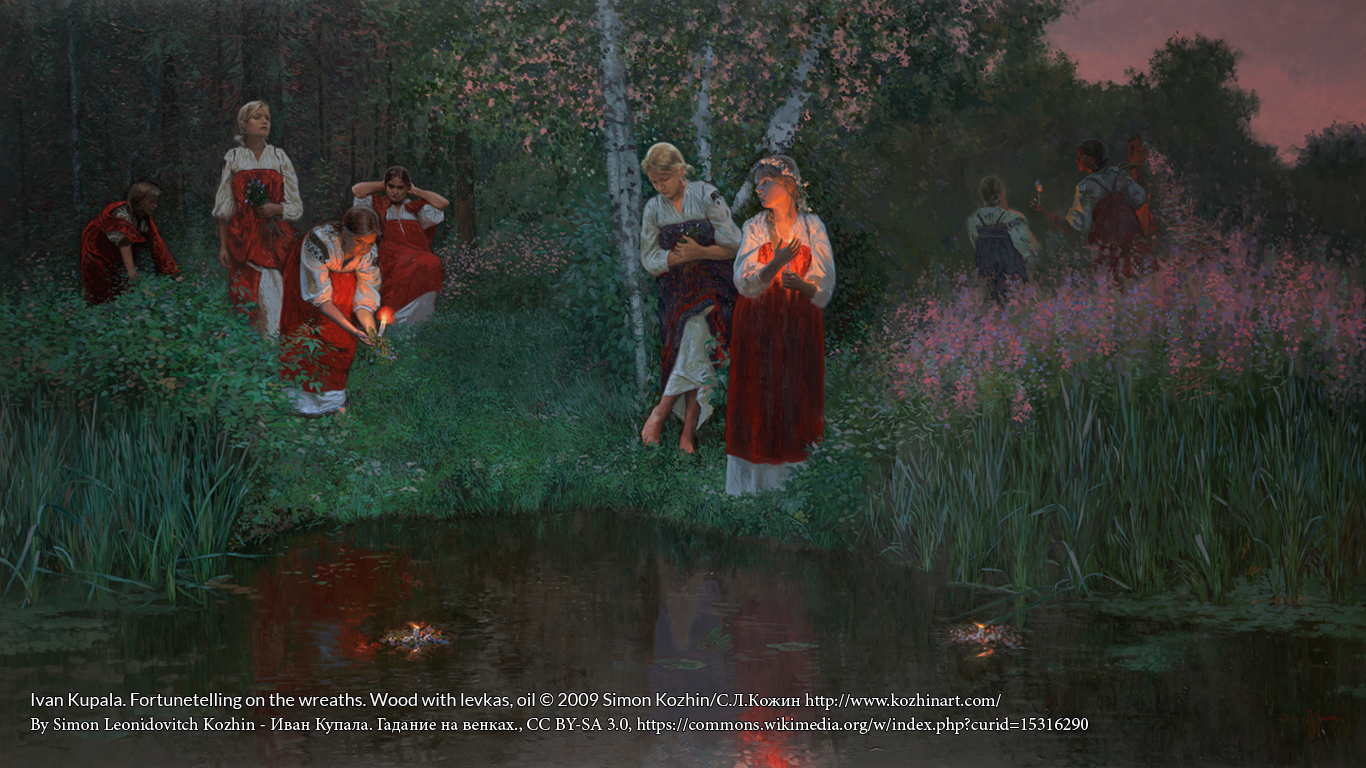
In Poland, Midsummer’s Eve garlands would be set on water, their path on the surface foretelling the owner’s future, and protecting from spells and curses.

Putting Their Faith in the Fairies: BBC Northern Ireland’s Fascination with the ‘Wee Folk’

Fairies were frequently blamed in Irish culture for events out of the ordinary or scenarios that were difficult to explain. An interest, curiosity, and belief in the fairies also holds an association with Irish cultural identity.

St Patrick’s Day Traditions: ‘My Patrick’s Pot on you!’

St Patrick’s Day, 17th March, is a key fixture in the Irish calendar, and indeed in many other places throughout the world. It may not have the wealth of traditions associated with the traditional Irish quarter days but its popularity and the festivities associated with it make it central to the Irish year.

Dark and Intriguing: The Challenges of Ashmolean’s Spellbound Exhibition

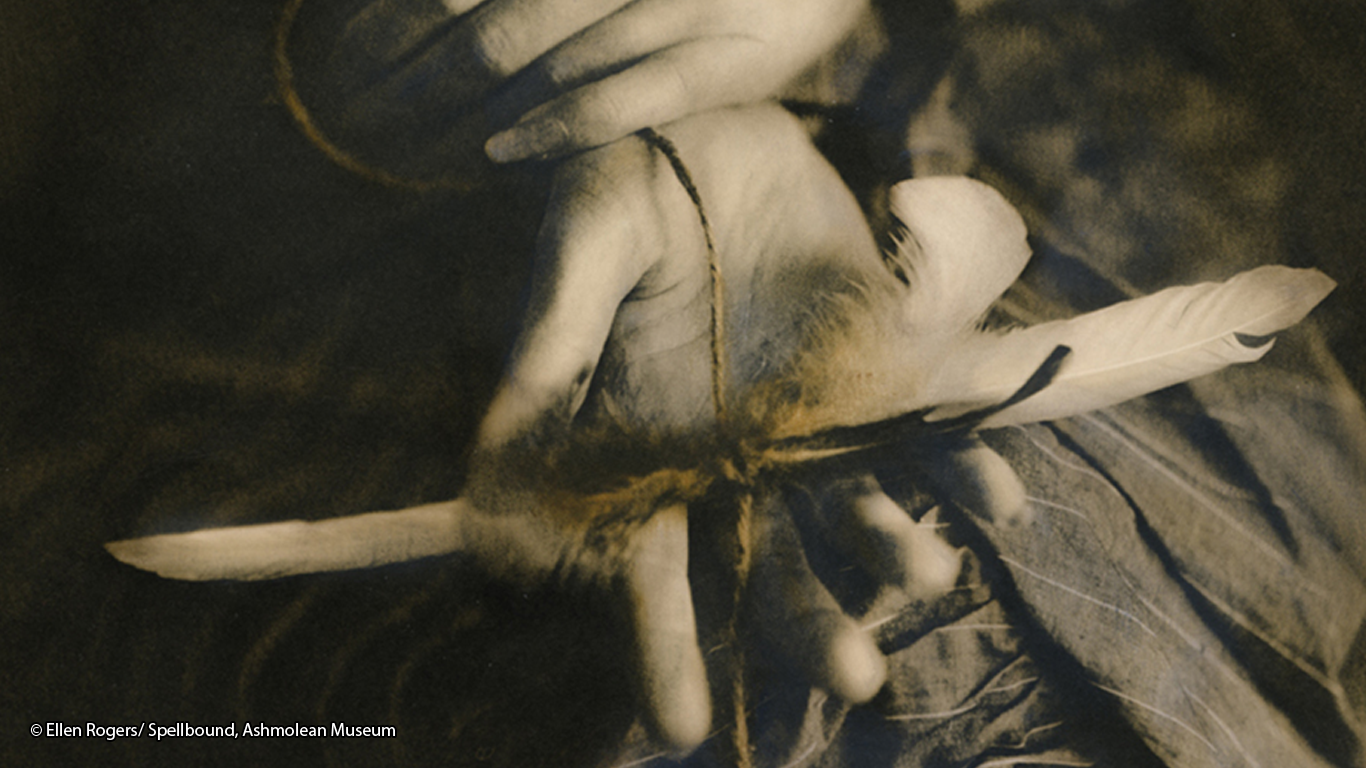
The exhibition “Spellbound: Magic, Ritual & Witchcraft” at the Ashmolean Museum in Oxford examines the history of magic over eight centuries, and shows how our ancestors used magical thinking to cope with the unpredictable world around them. Nick Swarbrick reviews the exhibition and the subjects which it explores.

By continuing to use the site, you agree to the use of cookies. more information

The cookie settings on this website are set to "allow cookies" to give you the best browsing experience possible. If you continue to use this website without changing your cookie settings or you click "Accept" below then you are consenting to this.

Close