Spinning a Tale: Spinning and Weaving in Myths and Legends
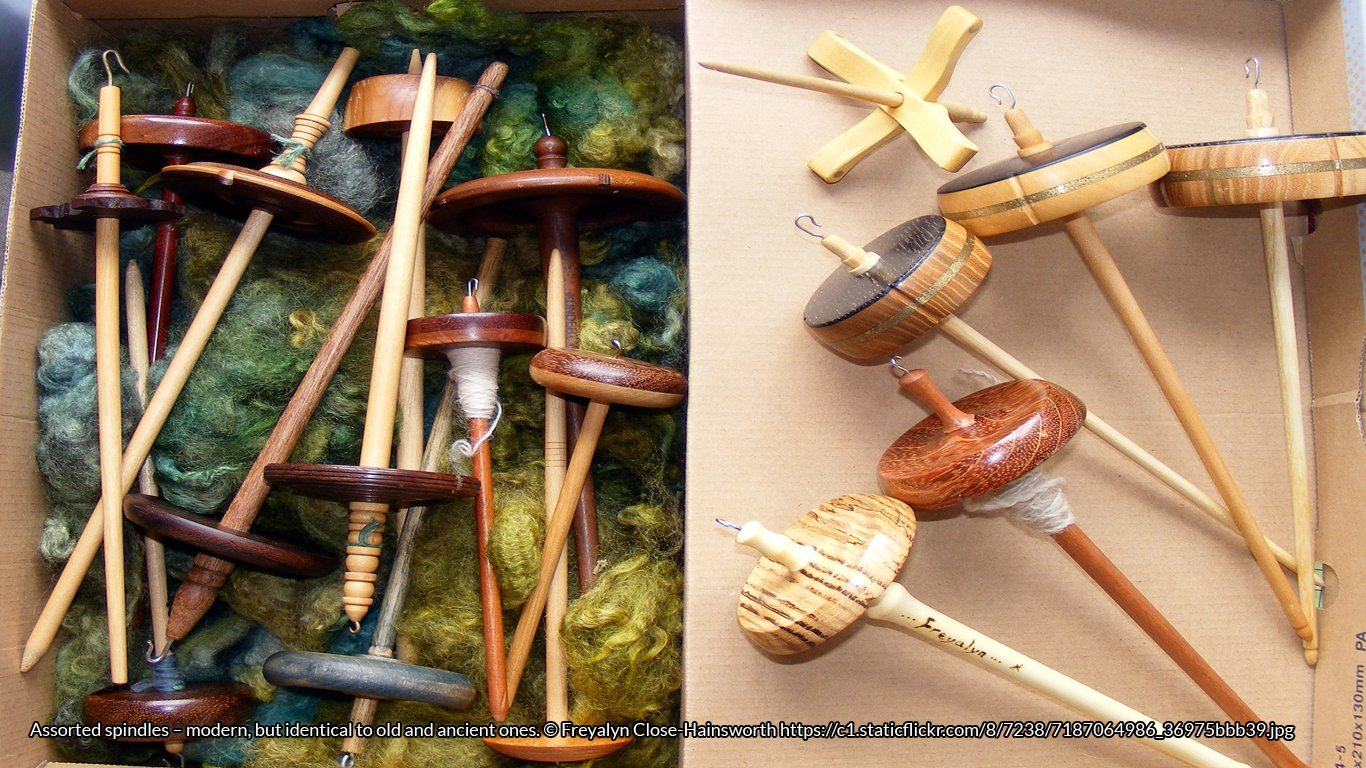
Spinning is a fundamentally human thing, and something that we have been doing since far into the ancient past.
Spinning is a fundamentally human thing, and something that we have been doing since far into the ancient past.
How do you rid yourself of a wife who no longer pleases you? Sell her, of course.
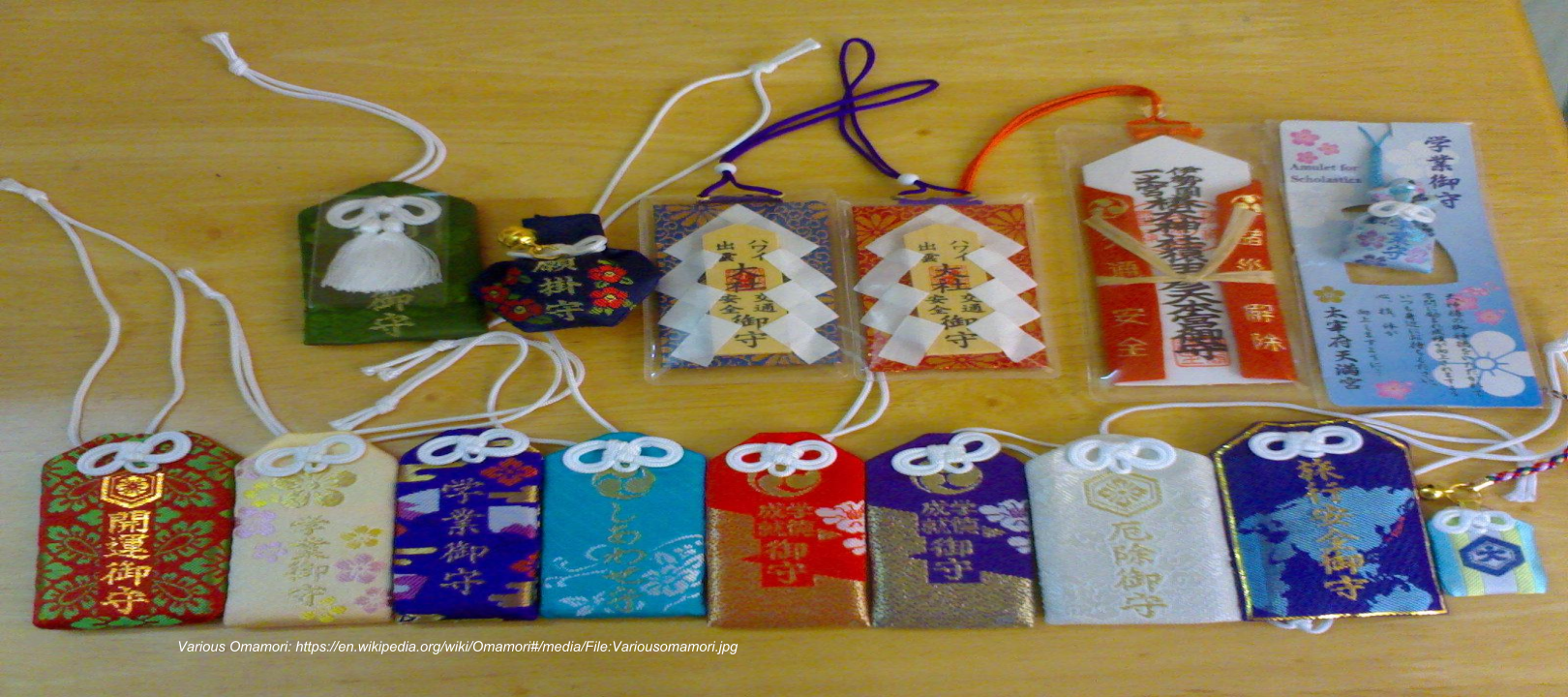
Although their origins lie in Japanese folk traditions, omamori are still a popular sight throughout Japan. The word itself, 御守り, doesn’t have a direct translation into English, but they are protection charms – usually for sale within both Buddhist temples and Shinto shrines – which are said to contain spirits.
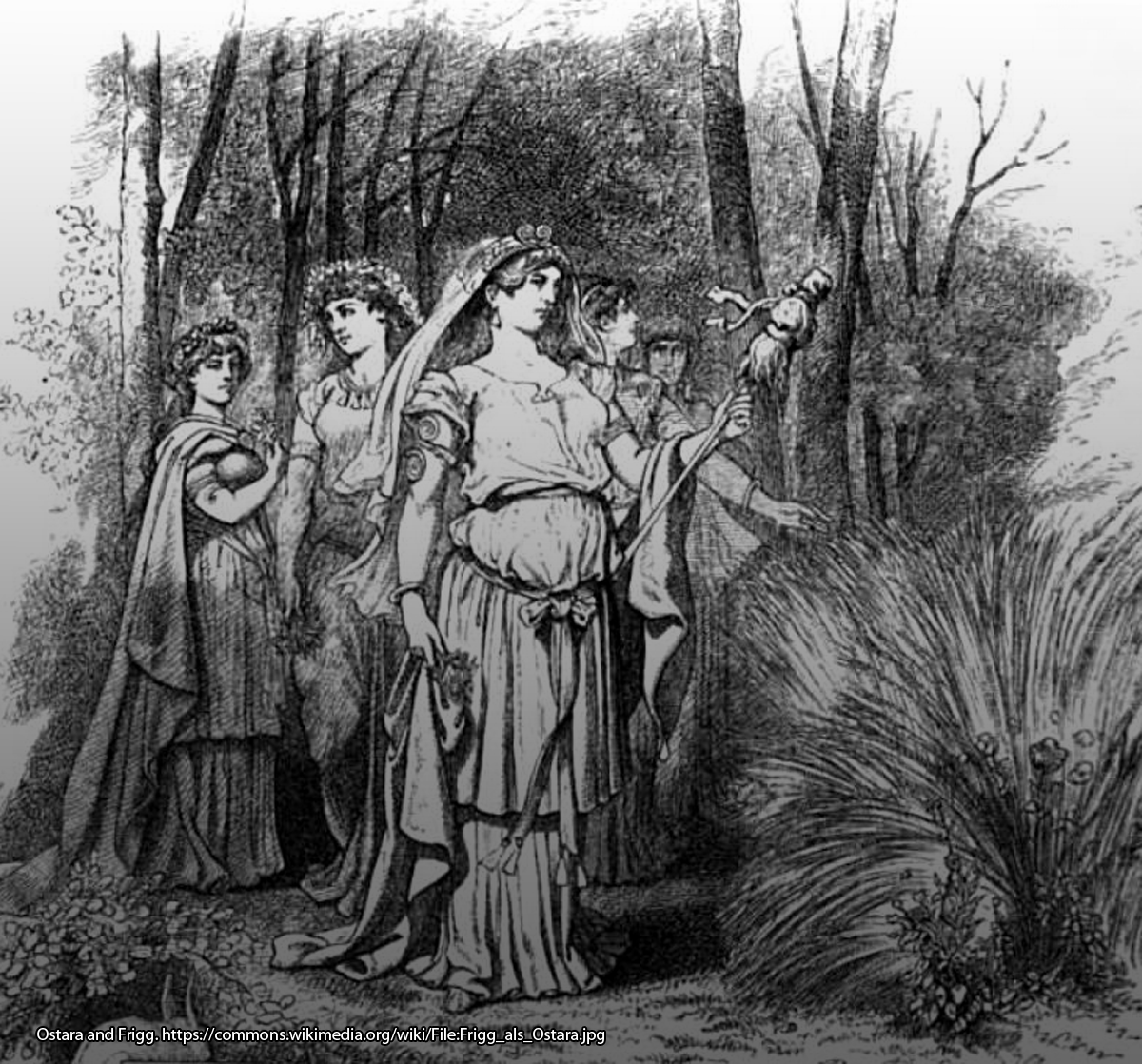
Easter customs of old were many and varied but who would have expected so many of them to be nothing short of violent? Some believe Easter is named after the pagan spring festival celebrating Ēostre or Ostara; historically known as the spring equinox, this might explain why the date of Easter is calculated by the cycles of the moon. It falls on the Sunday following the full moon after the first day of spring — nothing Christian about that calculation! One would have thought the dates of Christ’s death and resurrection would have been more definitely commemorated but, no, we stick to celebrating the coming of spring. Compared to this oddity, some of the bizarre customs associated with Easter stop seeming so bizarre. The violence involved in some of them, though, is a little harder to explain…
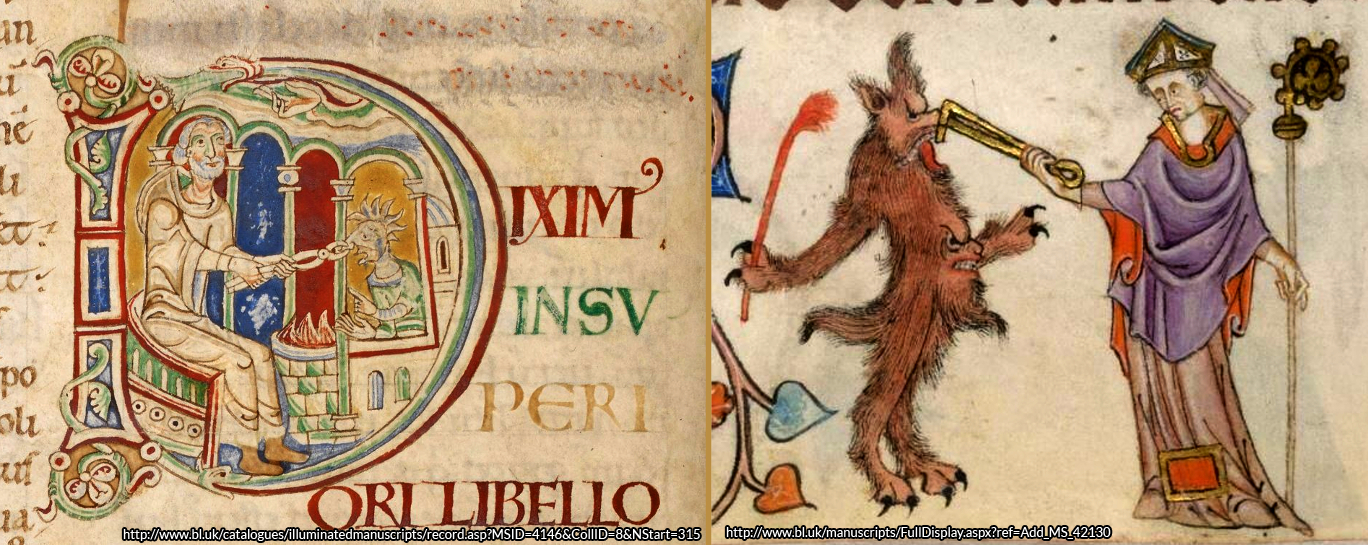
The folklore of iron and smithing has been common since prehistory, and one of the oldest folktales tells of a blacksmith forging a deal with the devil.
By continuing to use the site, you agree to the use of cookies. more information
The cookie settings on this website are set to "allow cookies" to give you the best browsing experience possible. If you continue to use this website without changing your cookie settings or you click "Accept" below then you are consenting to this.