Animal Legends: The Wild Wolves of Ancient Rome
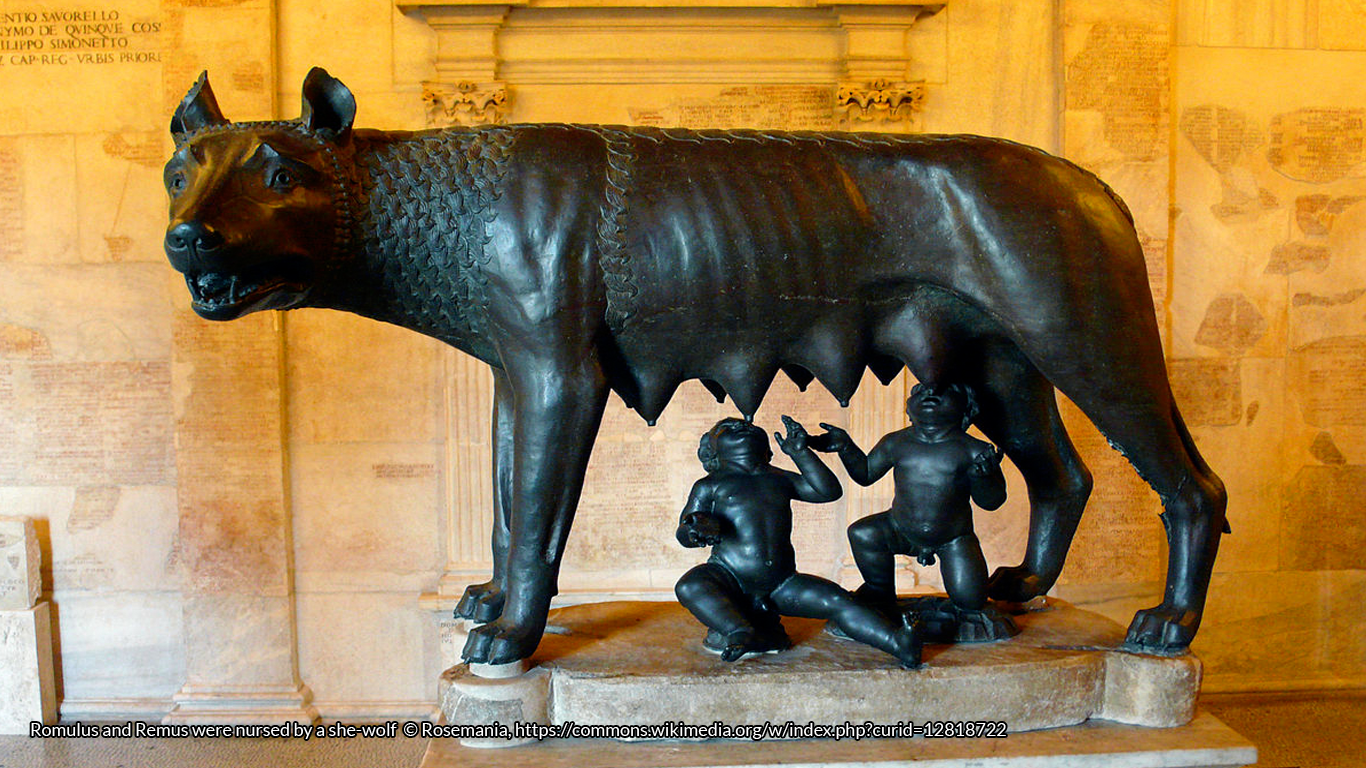
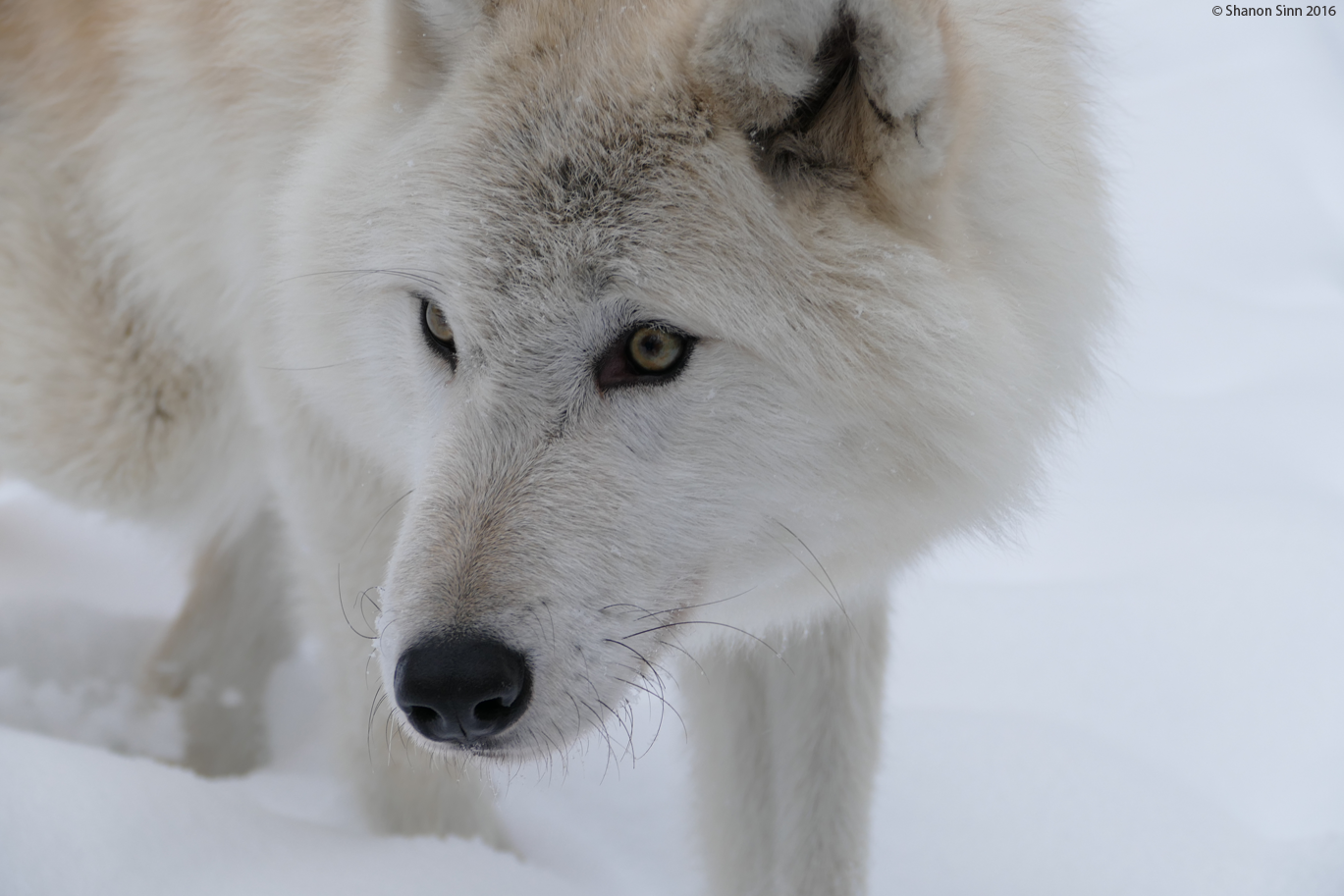
Wolves played a vital part in Roman myths. A defining symbol of ancient Rome is the image of the twins Romulus and Remus being suckled by a she-wolf.
Wolves played a vital part in Roman myths. A defining symbol of ancient Rome is the image of the twins Romulus and Remus being suckled by a she-wolf.
Scotland is one of the few nations to have chosen a mythological creature rather than a real one as her national animal, and probably the only nation to have chosen an animal that no one believed actually lived there…
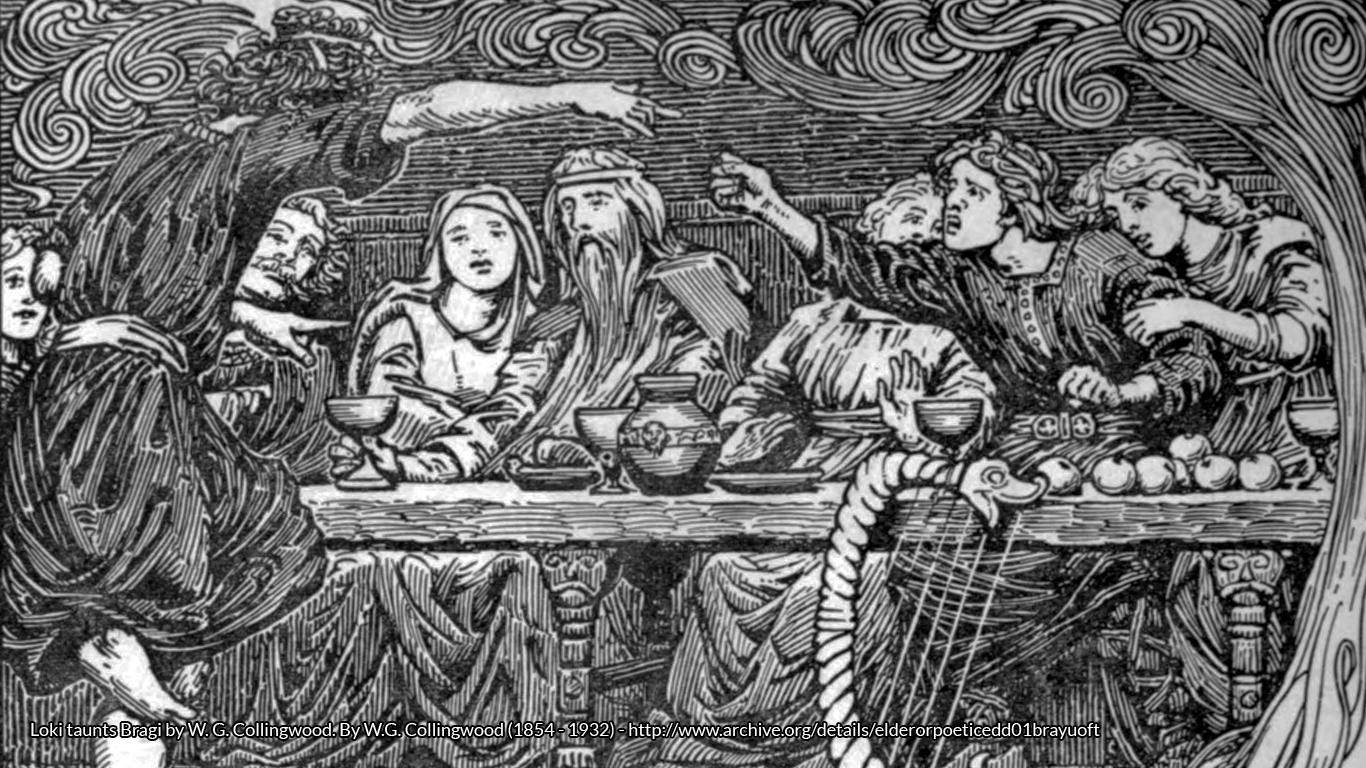
One of the main tactics the Norse gods employed in their struggles, aside from outright trickery and brute force, was trading verbal insults.
The most famous wolf myth is the one of Romulus and Remus, the founders of Rome. The story has evolved through the ages, but the best-known version claims their mother was a virgin and that their father was the war god Mars. In typical Greek-Roman fashion, their great uncle – the king – abandoned them on the River Tiber in an attempt to avoid a prophecy of his death. Tiberinus, the god of the river, spared the twins. A wolf suckled the boys until a shepherd adopted them. Eventually, Romulus and Remus helped their grandfather retake his thrown and kill their great uncle.
The first witch of Western literature, Circe lived what appears to be an idyllic, solitary life on the island of Aiaia. She spent her time honing her enviable magic spells, collecting herbs from the thick forest that fringed her land and doting on her magically docile pet lions and wolves.
By continuing to use the site, you agree to the use of cookies. more information
The cookie settings on this website are set to "allow cookies" to give you the best browsing experience possible. If you continue to use this website without changing your cookie settings or you click "Accept" below then you are consenting to this.