Bear Folklore, Through Myths, Legends and Folktales

Whenever a bear shows up in a folktale, we know something wonderful, and maybe a bit scary, is about to happen

British Legends: The Outlaws of Inglewood and the Feminine Influence

The story of William of Cloudesly is found in a 16th century ballad, Adam Bell, Clym of the Cloughe and Wyllyam of Cloudeslee, but may be older. It was included in the influential 19th century collection, The English and Scottish Popular Ballads, as ballad 116, by Francis James Child. Although it is a male dominated, rip-roaring, all action story, three women play a significant part, emerging at points to influence events. Presented here is a short retelling followed by a brief discussion on the influence of the three females on the story.

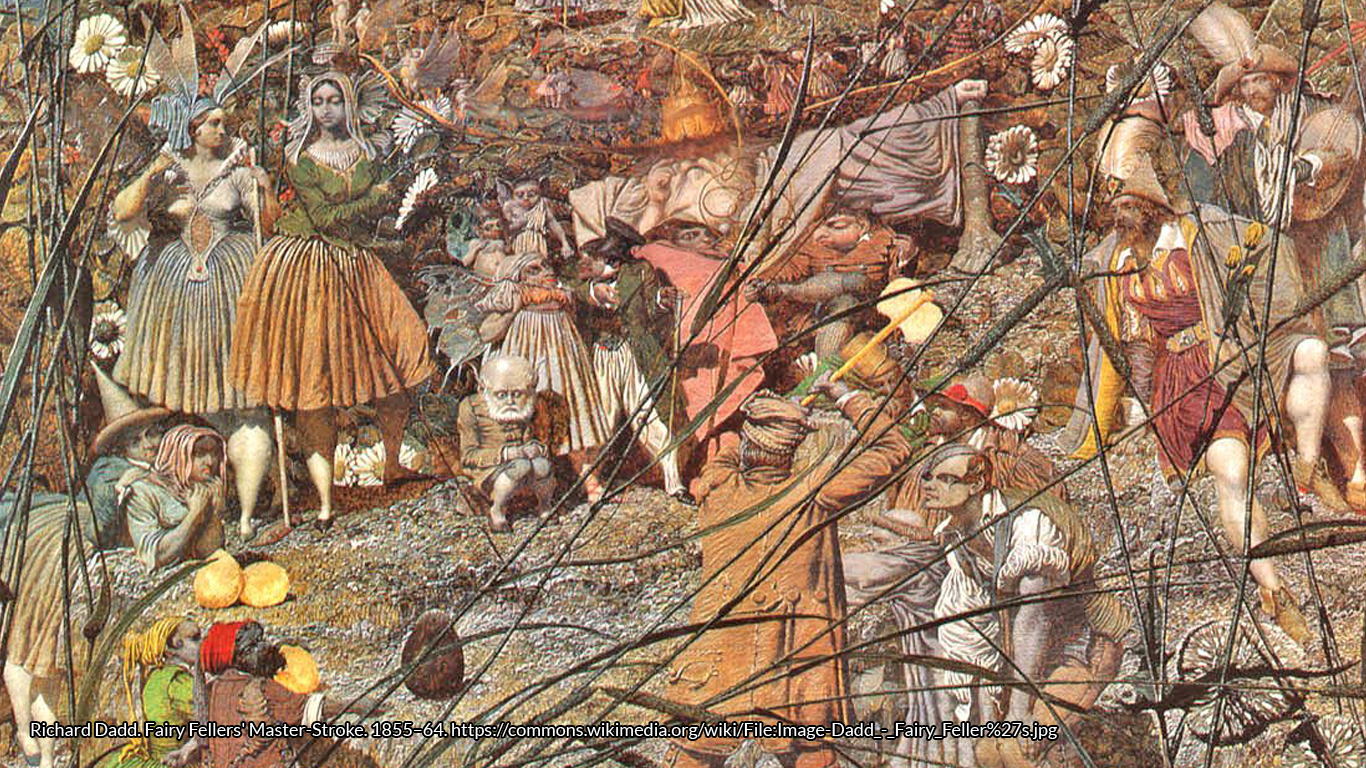
Fairies in a Flat Landscape: the Fairylore of Suffolk

Suffolk might seem the very last place to look for fairylore; after all, most of us have grown up with the idea that belief in the fairies flourishes in wild, untamed places, and specifically in the ‘Celtic’ areas of the British Isles – Scotland, Wales, Cornwall and Ireland.

British Legends: Beowulf and the Great Flame Dragon

Beowulf is an anonymously written long poem originally written in Old English, the language commonly spoken in England in Anglo-Saxon times. It is named after its protagonist, Beowulf, a warrior from Geatland, and tells of his heroic adventures, great strength, courage, and prowess in battle.

By continuing to use the site, you agree to the use of cookies. more information

The cookie settings on this website are set to "allow cookies" to give you the best browsing experience possible. If you continue to use this website without changing your cookie settings or you click "Accept" below then you are consenting to this.

Close